











I discover hope’s source code on a Thursday morning, staring at my coffee cup like it holds the secrets of the universe. Which, in a way, it does.
The revelation arrives not as lightning but as slow recognition. My mind has been running hope protocols all along, background processes I never bothered to examine. Every story I tell myself about tomorrow, every memory I choose to highlight or bury, every interpretation I layer on top of struggle. These aren’t random events. They’re driven by the unseen algorithms of my past.
Hope, I realise, is architecture.
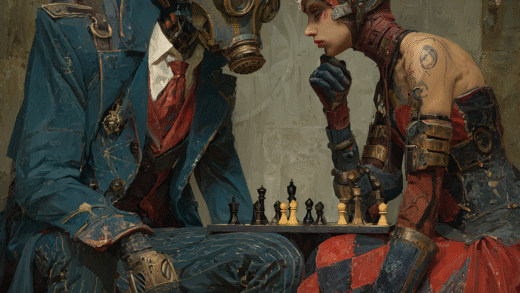
Consider how a video game keeps you engaged. Progress bars. Achievement unlocks. The promise that this level leads somewhere meaningful. Remove these elements, and players abandon the quest within minutes. But life rarely offers such obvious mechanics. Instead, we construct them unconsciously, cobbling together fragments of narrative and expectation until something resembling forward momentum emerges.
The problem is most of us inherit our hope frameworks secondhand. Family scripts about what success looks like. Cultural myths about struggle and reward. Religious or secular promises about eventual justice. These inherited algorithms run in the background, generating hope or despair based on code we never wrote.
I think of my neighbour, June, who spent decades believing a promotion at her corporate job would finally validate her worth. The hope felt real and drove her through sixty-hour weeks and endless performance reviews. But the algorithm wasn’t hers. It belonged to a system that profited from her belief in meritocracy, her faith that good work equals good outcomes. When the layoffs came, her hope crashed because she’d been playing someone else’s game.
False hope operates this way. It borrows its logic from external sources, promises rewards controlled by others, and ties meaning to outcomes beyond your influence. The progress bar moves according to rules you can’t see, let alone modify. This bothers me.
Generative hope works differently. You write the code yourself.
I’ve started treating my morning walks like debugging sessions. What stories am I running about the day ahead? Which memories am I highlighting to fuel confidence or undermine it? When I notice myself waiting for external validation to feel worthy, I catch the borrowed algorithm in action.
Then comes the hacking. I design micro-victories: finishing this paragraph, having a real conversation with a stranger, or choosing curiosity over judgement when someone disagrees with me. These are local victories that accumulate into genuine momentum.
The deeper work involves rewriting the quest itself. Instead of hoping for eventual recognition as a writer or blogger, I focus on the craft of paying attention. Instead of waiting for the world to become less chaotic, I cultivate my capacity to dance with uncertainty. The game changes from “endure until rescue arrives” to “develop skills worth having.”
Don’t confuse this with positive thinking or manifestation magic. This is conscious architecture. I’m not pretending struggle doesn’t exist or that willpower conquers everything. I’m recognising that hope is a system I can influence through design choices.
The meta-game reveals itself once you see the code. You stop being the character who hopes something good might happen and become the programmer who builds mechanics that generate aliveness regardless of external circumstances.
This morning, watching steam rise from my coffee, I notice something shift. Not in the world, but in my relationship to it. The cup remains the same temperature, but the narrative has changed. I’m no longer waiting for hope to visit. I’m authoring it, one conscious choice at a time.
The game is always already in progress. The question is whether you’re playing by someone else’s rules or writing your own.