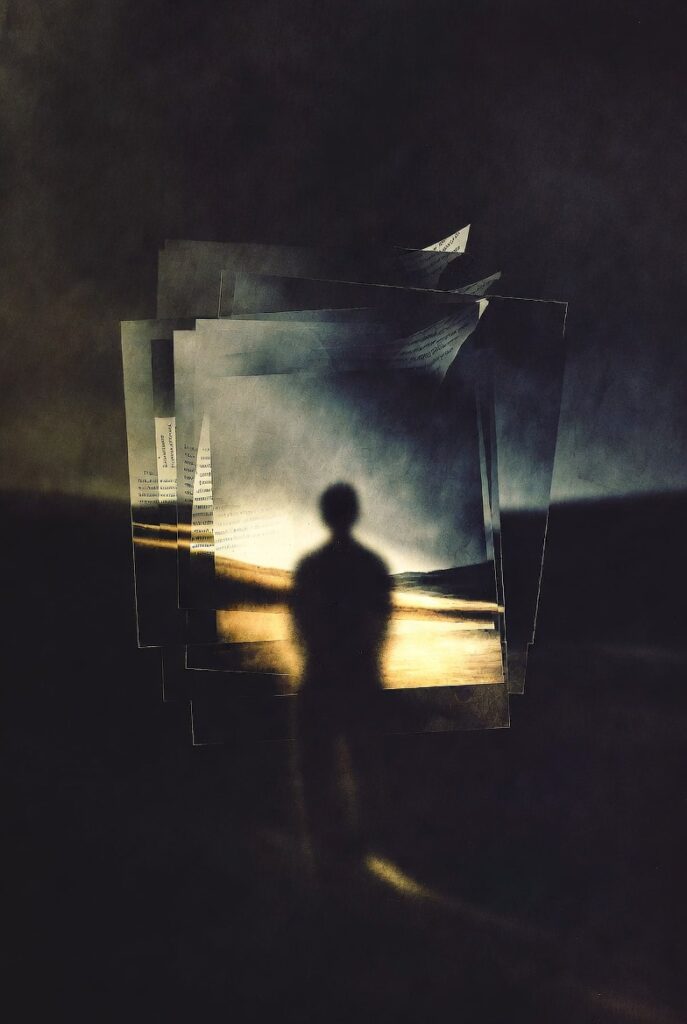
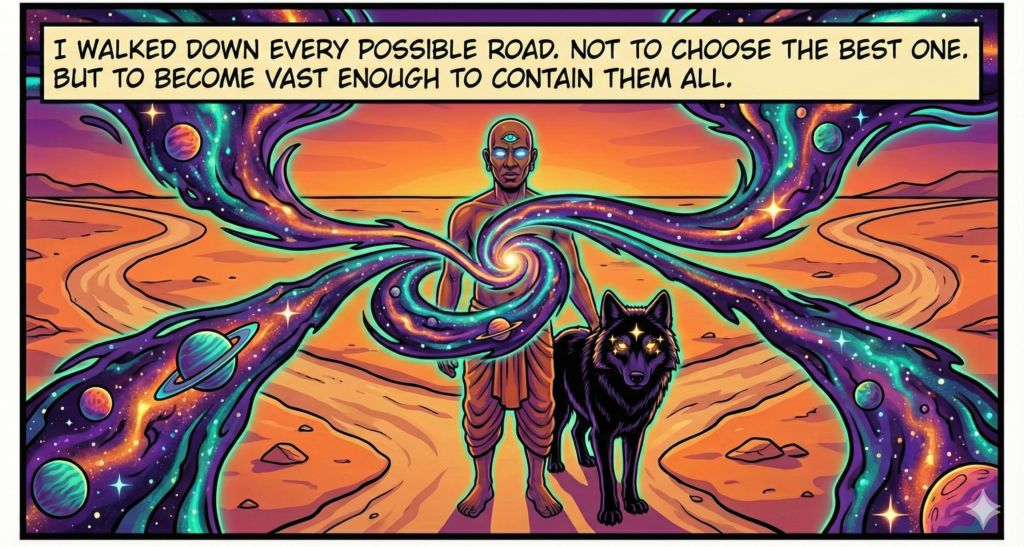
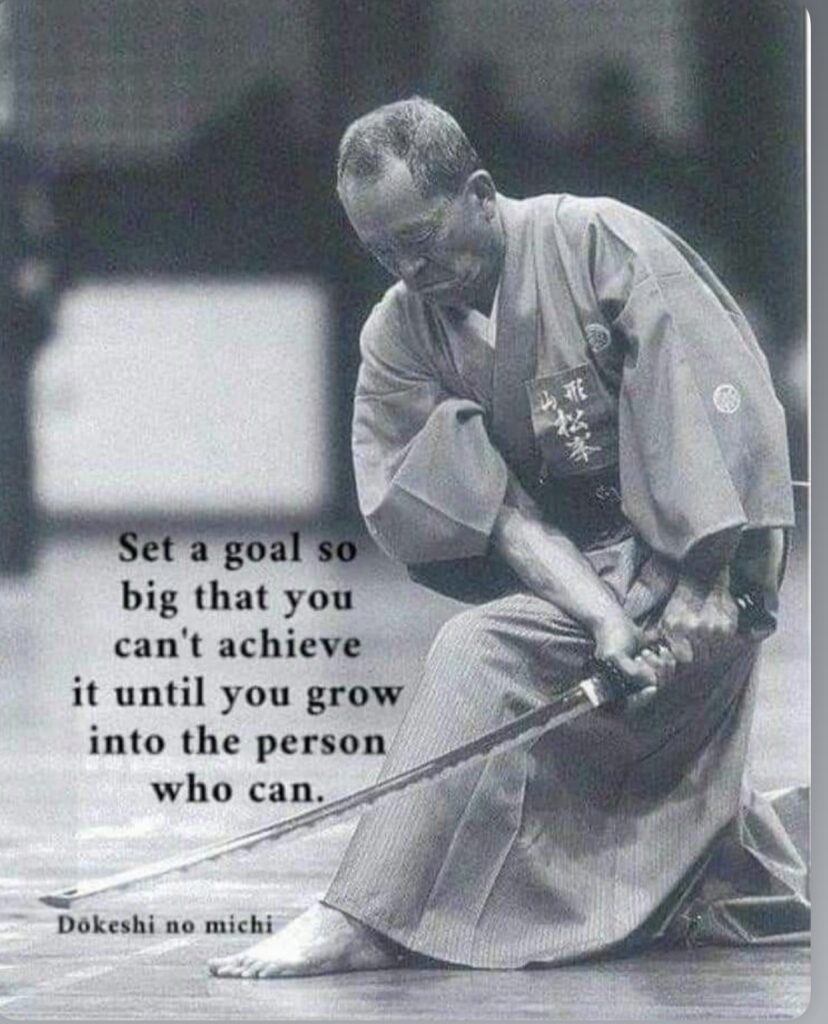
This sounds obvious. Say it out loud, and most people nod. But knowing it and actually experiencing the implications of it are two entirely different things, separated by a gap that most people spend their entire lives not crossing.
Psychological research has long known that we carry an inner narrator: the voice that runs a continuous commentary on our experience, stitches our memories into a coherent sequence, and gives us the sense of being a continuous self moving through time. It is the voice that reads these words to itself. The voice that decides whether what just happened was good or bad, threatening or promising, evidence that you are capable or evidence that you are not. The voice that was there last night when you could not sleep, replaying the conversation from the afternoon and editing it, adding the things you should have said and glossing over the things you actually did.
Research into inner speech suggests this voice is so woven into our experience that many of us can’t imagine what it would be like without it. Children develop it through a fascinating process: what Lev Vygotsky observed as private speech, the out-loud self-talk that children between two and eight do constantly, gradually goes underground and becomes internal. What started as socialised, external language becomes internalised, compressed, and rapid. By adulthood it runs so fast, so automatically, that we rarely catch it in the act.
What we almost never think to question is whether the narrator is telling us the truth.
Not lying, exactly. The narrator is not malicious. But it is not neutral either. It is an editor, not a camera. It decides which footage makes the final cut and which gets left on the floor. It decides the genre: whether this story is a comedy or a tragedy, a bildungsroman or a cautionary tale. And it makes those decisions using scripts it inherited from experience, from early wounding, from the accumulated weight of everything that happened to you before you were sophisticated enough to question the framing.
I see this play out a lot in my coaching practice. Someone has an insight. A real one, the kind where you can see in their face that something has shifted. They leave energised. But before long, the narrator manages to reassert itself. Not because the insight was false, but because the narrator is faster, more practised, and operates below the threshold of conscious attention. It doesn’t argue with the insight. It simply continues running its programme, and the insight slowly loses purchase.
This is not a failure of willpower or intelligence. It is a structural problem. You can’t opt out of a narrator you have never actually separated yourself from.
Within the NLP framework, internal dialogue is one of the primary representational systems, the auditory digital channel. And it is workable. You can change the qualities of the inner voice: its pace, its volume, its tone, who it sounds like. Slow the critical voice down to a drawl, and give it a silly accent, and it loses authority. Speed up an encouraging voice and make it louder. These are not tricks. They are interventions into the properties of the narrator, and they work because the narrator is not fixed. It has qualities that can be altered.
But that is the technique. The deeper understanding runs elsewhere.
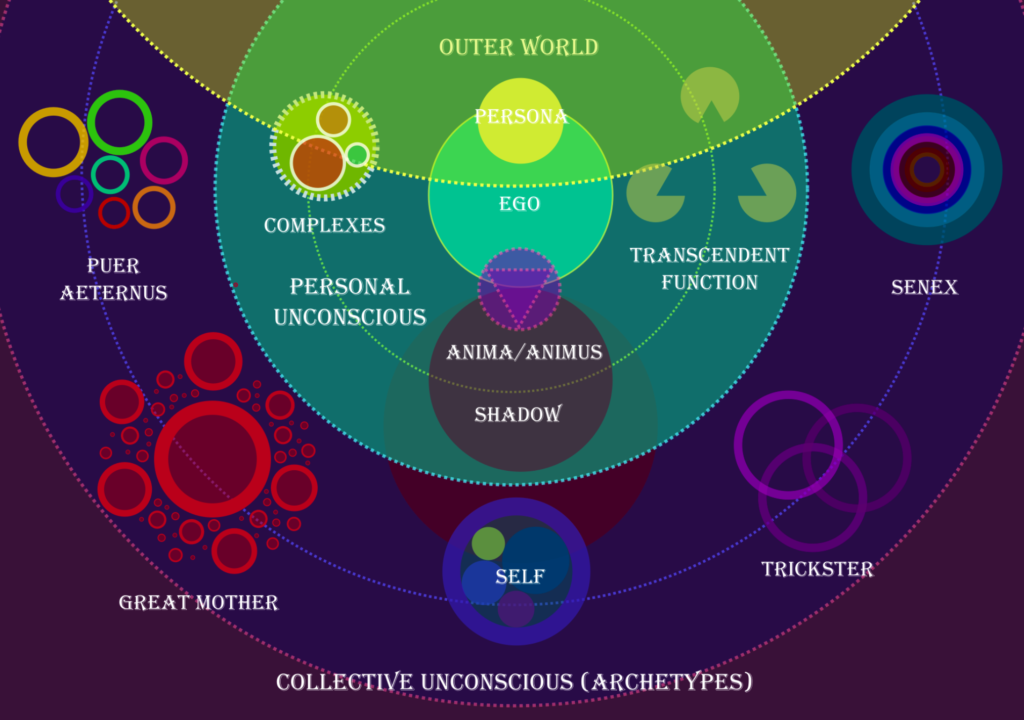
Jung described the ego as the narrator of the story we call ‘I’. The persona, the professional face we wear, and the accumulated roles and identities we have adopted and eventually mistaken for our actual nature are built from the narratives the narrator has been running. We don’t have stories about ourselves. We are, in some functional sense, the story. The narrator is the mechanism by which that story is maintained and defended.
Which is why inner transformation is difficult in a very specific way. It is not that people cannot see their limiting stories when you point them out. In my experience, most people can. The difficulty is that the narrator, which is the thing doing the limiting, is also the thing through which they are trying to see it. You are using the editor to audit the edit. The instrument of perception is the thing being examined.
Most people have had brief, unpredictable flashes of this. Moments when the inner monologue suddenly seems like something happening in the room rather than something happening as you. Meditation traditions have been mapping this territory for millennia. The psychotherapy literature has its own vocabulary for it: mentalisation, metacognition, the observing ego. NLP calls it stepping into third position.
What all of these point toward is the same structural shift: from being the narrator to having a narrator.
That shift is not a destination. It is a practice. And it doesn’t require that the narrator become silent, only that it loses the status of absolute authority. The inner voice can speak without its verdict being final. The commentary can run without you treating it as a direct transmission from reality.
Hans Vaihinger, in his Philosophy of As If, argued that human beings live by fictions we gradually mistake for truths. We construct provisional frameworks—about ourselves, about the world, about what things mean—and then, through repetition and necessity, begin to inhabit them as if they were reality itself. For Vaihinger, the important question was not whether such fictions were literally true in some absolute sense, but whether they were useful: whether they helped us move, orient, endure, and act.
The narrator does not know Vaihinger exists. It does not approach its own stories as provisional devices or useful simplifications. It runs them as absolutes. It presents them as settled fact, as reality in its final form. What began as an interpretation hardens into identity. What began as a protective explanation becomes an invisible law. And because the narrator speaks in the first person, with the intimacy of our own inner voice, its fictions rarely appear as fictions at all. They appear as the way things are.
The work, then, is to create a little distance between the story and the one carrying it. Not to abolish story—because we cannot live without narrative—but to loosen its grip enough that it can be seen as narrative rather than destiny. Enough space to notice that what feels inevitable may only be familiar. Enough space to ask, with some seriousness and without self-deception: Is this story serving me, or have I been serving it? And if I have been serving it, what kind of life has that service been asking me to live?
The question is not as abstract as it sounds. It has an answer. And the answer tends to be visceral rather than intellectual, because the narrator does not surrender its authority at the level of argument. It surrenders it at the level of experience. When you catch it running, really catch it in the act rather than theorising about it, something loosens. Not forever. Not irreversibly. But enough.
What gives it away is not a grand revelation but a subtle shift in texture. A sentence begins in your mind and, for a fraction of a second, you hear it as a sentence rather than as reality. There is a small gap where there used to be none. The commentary is still there, still fluent, still persuasive, but it is no longer identical with what is happening. It is about what is happening. That distinction, once felt, cannot be entirely unfelt.
In that moment, the authority of the narrator flickers. Not because it has been defeated, but because it has been seen. And being seen changes its status. What was previously invisible and therefore unquestionable becomes visible and therefore workable. The voice does not disappear. It continues to offer its interpretations, its edits, its familiar conclusions. But something in you is no longer compelled to accept them without question.
This is why the shift cannot be forced through reasoning alone. You cannot argue the narrator into silence any more than you can think your way out of thinking. The movement is experiential. It happens in real time, in the middle of a thought, in the middle of a reaction, when you recognise—directly, not conceptually—that what feels like reality is in fact a construction unfolding at speed.
And in that recognition, even if it lasts only a few seconds, there is space. Space to not follow the next thought automatically. Space to let a reaction pass without enacting it. Space to choose, however slightly, a different way of responding.
And in that loosening is where the real work begins. Because once there is space, even a small one, the question is no longer whether the narrator is accurate. The question becomes what you do with the fact that it is optional. Whether you continue to live inside its most well-worn scripts, or whether you begin, slowly and deliberately, to edit the editor itself.
Jung understood that the self is not a monolithic “I” that sits at the center of the universe. It is a constellation. When we identify too strongly with the Hero archetype, we inevitably cast everyone else into the role of the Shadow, the Herald, or the Threshold Guardian.
We stop seeing the complexity of the other because our internal narrative requires them to be simple. We need them to fit the role we’ve assigned them so our story remains coherent. It’s a fragile coherence. The moment someone refuses to play their part—the moment a partner expresses a need that doesn’t fit your plot, or a colleague challenges a decision—the main character feels it as a personal violation.
It’s not just a disagreement; it’s a script error. And because the main character cannot rewrite the code to include the agency of others, they usually respond with frustration, withdrawal, or a doubling down on their own perspective.
Transformation requires friction. It requires being moved by something outside of your own controlled narrative. If you are the only one with a soul in your story, there is no possibility of genuine change.
This was one of those weeks where infrastructure building and conceptual exploration happened in parallel. The kind of week where you’re simultaneously laying cable and exploring new intellectual territory, each feeding the other.
Let me walk you through what emerged.
Getting Jacked Into the System
The biggest technical development: successfully connecting Claude to both my Obsidian vault and Typefully for X posting. This might sound like plumbing work, but it’s actually strategic.
For two years I’ve been talking about treating blogging as spiritual technology. About the blog as hypersigil, as ongoing magical working. But I was still manually copying files around, treating the tools as separate from the practice.
Not anymore.
Now Claude can read and write directly to my “narrative alchemy” vault in Obsidian. Create files. Reference past work. Build on existing conceptual frameworks without me having to manually bridge the systems. And push content straight to X without the friction of switching contexts.
The setup process was its own education. Installing MCP (Model Context Protocol) servers. Learning command-line basics I’d been avoiding for decades. Wrestling with iCloud sync delays and configuration files.
But here’s what matters: the system is now an extension of my practice rather than something separate from it. The tools serve the work. The technology enables the magic.
The Philosophical Council Expands
While building infrastructure, I was simultaneously deepening my intellectual foundation. Specifically, integrating Hans Vaihinger’s Philosophy of As If into what I’m now calling my “philosophical council” alongside Jung and Hillman.
Vaihinger gives me something I didn’t have clean language for before: epistemological grounding for treating narratives as functional rather than representational. His argument is deceptively simple: useful fictions are just as operationally valid as objective truths. Maybe more so.
This completes a powerful triumvirate:
Jung provides archetypal mechanics and the map of the psyche.
Hillman brings soul-making through the imaginal realm, the idea of seeing through rather than literal belief.
Vaihinger offers pragmatic justification for using functional fictions without requiring metaphysical certainty.
Together they create theoretical scaffolding for everything I’m doing with narrative alchemy. Stories as code isn’t just a catchy tagline. It’s a defensible philosophical position.
I also explored where Alfred Adler fits in this framework. He’s the practical uncle who translates depth psychology into accessible therapeutic techniques. His concept of “fictional finalism” bridges Vaihinger’s philosophy with Jung’s archetypal work. And his language about lifestyle narratives makes the work approachable for people who might be intimidated by shadow integration and imaginal realm.
Screenshot
Content Production as Reality Hacking
This philosophical deepening showed up immediately in the content I created.
I developed a comprehensive blog post exploring the parallel between post-structuralism and chaos magick, showing how academic philosophy and occult practice independently arrived at the same conclusion: reality is constructed, and construction means it can be consciously worked with.
The piece uses what I’m calling “vertical sequential art style” visual essays, integrating theory with practice in a format designed for the web rather than trying to reproduce print conventions.
I also worked on “The Blog as Hypersigil” essay, making explicit what I’ve been practicing implicitly. Blogging isn’t just publishing thoughts. It’s extended magical working that functions as a spell over time, reshaping reality for both creator and audience.
The evidence is mounting. Since redesigning my website around narrative alchemy and launching The Circle newsletter, strangers have been reaching out unprompted. People asking to be notified when group work begins. Readers engaging with practical exercises multiple times to fully integrate the material.
Most significantly: I’m experiencing personal transformation. Increased focus. Stronger connection to intuition. Sharper vision of myself and the work. The blog functions exactly as Grant Morrison described hypersigils in The Invisibles: an ongoing practice that accumulates power through repetition and creates feedback loops with reality.
Product Development
The week also saw significant progress on “The Narrative Alchemist’s Book of Prompts”, my upcoming ebook structured around the four classical alchemical stages.
This won’t be another journaling book with feel-good questions. These are prompts crafted as activation sequences, designed to shift consciousness and bypass rational thinking. Text as executable code. Each stage gets 7-12 prompts that function as transformation protocols.
I’m positioning this for the New Year market but explicitly rejecting the typical resolution energy. This is for people ready for actual alchemical work, not surface-level goal setting.
I also developed the framework for a premium narrative coaching offer: a 12-week laboratory-style container where clients bring specific challenges and receive custom transformation protocols. Not therapy. Not traditional coaching. Something more like R&D for consciousness.
The pricing reflects this: £2,500 for 12 weeks. Asynchronous delivery through email and voice notes to protect my creative time while maintaining intensity of engagement.
The AI Integration Question
Perhaps most interesting was exploring what it means to be an “AI-assisted blogger” in depth.
I brainstormed two major AI-powered systems: a real-time Oracle (the Ashkara Oracle) trained on my corpus that can engage visitors in dialogue about narrative alchemy practices, and interactive fiction games that use natural language processing to create adaptive narrative experiences.
Both concepts blur the line between content and transformation tool. The Oracle isn’t just information delivery. It’s personalized guidance. The games aren’t just entertainment. They’re experiential teaching.
This connects back to the hypersigil concept. If the blog is extended magical working, then AI integration represents the next evolution: content that actively participates in transformation rather than passively waiting to be consumed.
Identity Refinement
All week I was refining my X bio, working toward sharper positioning. The breakthrough came in shifting language from “Narrative Coach” to “Narrative Alchemist & Blogger.”
That subtle change matters. It positions me at the intersection of ancient wisdom tradition (alchemy) and contemporary digital practice (blogging). It claims spiritual technologist territory without apology.
The updated bio now opens with: “You’ve found a corner of X where stories aren’t consumed. They’re debugged.”
That single line does more work than three paragraphs of explanation. It establishes frame, promises utility, and signals sophistication. Stories as code. Problems as bugs. Solutions as patches.
And it ends with: “Stories are code. You are the programmer.”
Not “we” as collaborative gesture. “You” as direct assignment of agency.
The Connecting Thread
What unified this week’s work was making implicit practices explicit.
I’ve been treating my blog as magical working for months. Now I’m teaching that as methodology.
I’ve been using philosophical frameworks to ground esoteric practice for years. Now I’m articulating the specific thinkers who provide that grounding.
I’ve been building technical infrastructure to support the work. Now that infrastructure is operational.
The shift from unconscious competence to conscious teaching. From doing the thing to showing others how the thing works.
This is what 2025 looks like: taking everything I’ve learned through 40 years of journaling, 25 years of chaos magick practice, decades of studying depth psychology and postmodern philosophy, and transforming it into teachable frameworks and functional tools.
Not dumbing it down. Making it transmissible.
What’s Next
The technical infrastructure is now in place. The philosophical foundation is articulated. The content frameworks are defined.
Coming week focuses on production: finishing The Narrative Alchemist’s Book of Prompts, launching the premium coaching container.
Each piece builds on the others. Each reinforces the core message: reality is mutable, narratives are programmable, and you have more power to shape your experience than you’ve been taught to believe.
The work continues.
What’s becoming explicit in your practice right now? Hit reply and let me know. I read everything.
I’ve created a beginner’s guide to the geography of the psyche, designed for those of us without a formal background in psychology. The full guide is about 48 pages—far too long for a single blog post! So, I’m thinking of publishing it as an ebook eventually, but first, I’ll be serialising it here on the blog. Afterward, I’ll compile the posts into an ebook and make it available on Gumroad.
This series is especially for spiritual explorers who approach depth psychology from a mystical perspective, blending psychological insights with the Tarot. My goal is to show how depth psychology can enrich and deepen our spiritual practices.
The Outer World as a Mirror: Mapping the Psyche through Nature
When we look at nature, we often find it mirrors our internal experiences, reflecting our emotions, thoughts, and unconscious desires. The landscapes we encounter in the physical world resonate deeply with the landscapes within us. Whether we are walking through a dense forest, standing at the foot of a mountain, or staring out over an endless ocean, these natural elements hold profound symbolic meanings that can help us understand the terrain of our own minds. The outer world becomes a kind of mirror for the inner psyche, with each landscape representing a different facet of our inner lives.
Mountains: The High Points of Insight and Spiritual Revelation
Mountains have long been symbols of ascension, insight, and spiritual revelation. In many cultures, mountains are considered sacred, the place where the divine and the earthly meet. They represent the pinnacle of human striving, a journey to reach the highest point of understanding or enlightenment. Psychologically, mountains often symbolise those moments in life where we gain clarity or a new perspective—times when we rise above the confusion of day-to-day life to see things from a broader, more enlightened vantage point.
Climbing a mountain, whether literally or metaphorically, is not easy. It requires effort, perseverance, and the willingness to confront obstacles along the way. The mountain, then, also represents the challenges we must overcome to reach a higher state of awareness. These are the times when we confront difficult truths about ourselves, wrestle with inner conflicts, or undergo personal transformation. Once at the top, one feels a sense of accomplishment, peace, and understanding, but it is also common to come to the realisation that there are always more mountains to climb, just like in life.
In the psyche, these high points can be moments of spiritual insight or revelation—what some might call epiphanies. Think of the way Moses climbs Mount Sinai to receive divine wisdom or how the Buddha attains enlightenment after his long spiritual journey. These are stories not just of physical ascents but of psychological ones. In our own lives, mountain symbolism might show up in dreams during periods of intense personal growth or when we are in pursuit of spiritual or emotional clarity. Mountains invite us to reflect on where we seek elevation in our lives and what obstacles we are willing to overcome to reach these peaks of insight.
Forests: The Wild, Untamed Unconscious
If mountains represent clarity and elevation, forests symbolise the opposite: the wild, untamed, and mysterious parts of the unconscious. Forests in myth and story are often places of danger and discovery. They are where the hero loses their way, where shadows lurk, and where transformations occur. In the psyche, forests represent the parts of ourselves that are uncharted—the emotions, thoughts, and memories we have not fully explored or integrated. Entering the forest is a metaphor for engaging with the unconscious, venturing into the unknown to confront what we have repressed or hidden away.
Forests are places where we encounter our fears, but they are also places of potential and growth. Just as a forest is full of life, teeming with plants, animals, and ecosystems, so too is the unconscious, filled with untapped potential and creativity. Jung often described the unconscious as a fertile ground where the seeds of growth are planted. But to find these seeds, we must first be willing to step into the forest and explore the parts of ourselves that we don’t fully understand.
Lothlórien and the wood-elves
The German fairy tale Hansel and Greteloffers a powerful metaphor for this. The children’s journey into the dark forest symbolises a descent into the unconscious, a place filled with danger but also transformation. The witch they meet is an archetype of the shadow—what is feared and rejected—but by facing her, they gain a deeper understanding of themselves and emerge from the forest stronger and wiser. Psychologically, entering the forest often corresponds to moments in life when we are forced to confront difficult emotions or unresolved issues. The forest is where we wrestle with our shadow, but it’s also where we find the path to growth and integration.
Oceans: Depths of Emotion and the Vast Unconscious
While mountains and forests offer images of clarity and mystery, the ocean represents something even deeper: the vast, boundless unconscious. Oceans are often seen as symbols of emotion, the subconscious, and the unknown depths within us. The surface of the ocean can be calm or turbulent, much like our conscious minds. But beneath the surface lies the vastness of the unconscious—filled with uncharted feelings, memories, and desires.
Jung referred to water, particularly the ocean, as a symbol of the unconscious. Oceans are places where things are hidden from view, where the unknown resides. In dreams, the ocean might represent the depth of one’s emotional world or a sense of being overwhelmed by feelings that are difficult to understand or control. Yet, just like the unconscious, the ocean is also a place of immense potential. It contains hidden insights and truths that are only accessible by plunging into its depths.
The metaphor of the ocean also speaks to the fluidity of emotions. Water flows, ebbs, and changes, just as our emotions do. When we dream of being on or near the ocean, it might be a reflection of our current emotional state—whether we feel at ease, adrift, or caught in a storm. The ocean, with its vastness, reminds us that much of our psyche is unknown to us, but that doesn’t mean it’s beyond reach. By exploring these depths—through therapy, reflection, or creative expression—we can uncover the hidden parts of ourselves and integrate them into our conscious lives.
In literature, the ocean has long been used as a symbol for emotional and psychological exploration. In Moby Dick, for instance, the ocean represents not just a physical journey but an internal one. Captain Ahab’s pursuit of the white whale is a metaphor for his obsession and emotional turmoil. The ocean is both his battleground and the reflection of his inner chaos.
In our own lives, the ocean within represents the emotional currents that guide us—whether we’re aware of them or not. By understanding the symbolism of the ocean, we can begin to map the emotional depths of our psyche, knowing that just as the ocean is ever-changing, so too are we.
By seeing the outer world as a mirror for the psyche, we can begin to map the complex and varied terrain of our inner lives. Mountains, forests, and oceans aren’t just natural landscapes—they are symbols that help us navigate our emotions, thoughts, and unconscious desires. As we explore these inner landscapes, we come closer to understanding ourselves, knowing that each step we take brings us deeper into the mystery of our own psyche.
Mythical and Archetypal Landscapes
Just as the natural world offers physical landscapes that mirror our psychological states, mythical and archetypal landscapes provide symbolic spaces that reflect the deeper, often hidden, dimensions of the psyche. These landscapes, like deserts, caves, and islands, are not just places in mythic tales; they serve as metaphors for different stages of inner exploration. Each of these spaces calls us into a deeper relationship with ourselves, revealing hidden truths or offering moments of respite and clarity. By reflecting on these landscapes, we gain insight into the psychological processes at work during our own journeys of self-discovery.
The Desert: A Place of Solitude and Self-Reflection
The desert, in both myth and personal experience, is often a place of solitude, starkness, and introspection. It represents a kind of psychological wilderness where all distractions are stripped away, leaving only the self and the vast, open expanse of the inner world. In many spiritual traditions, the desert is where seekers go to shed their attachments, confront their ego, and encounter their deeper, truer selves. The barrenness of the desert symbolises the absence of external noise, forcing the traveller to face their inner landscape without distractions.
For example, in the Bible, both Moses and Jesus retreat to the desert for periods of intense self-reflection and communion with the divine. Moses’ time in the desert represents not just a physical journey but a psychological one, where he sheds his old identity as an Egyptian prince to embrace his role as a leader and prophet. Similarly, Jesus’ 40 days in the desert symbolise the stripping away of ego and temptation, leading to greater spiritual clarity.
In psychological terms, the desert is the place where the ego dissolves. It is where we are forced to let go of the superficial aspects of identity—status, possessions, even relationships—that we often cling to. In this stripped-down state, we have the opportunity to confront our deeper, more authentic selves. However, the desert can also be a harsh and uncomfortable place to be. The absence of external distractions can make the inner journey all the more challenging, as we are forced to confront uncomfortable truths about ourselves. Yet, it is often in the desert that the greatest breakthroughs occur—insights that can only come from solitude and deep reflection.
Caves and Underworlds: The Descent into Shadow Work
If the desert is a place of ego dissolution, then caves and underworlds represent an even deeper journey—into the hidden recesses of the unconscious. In myth, caves and underworlds are often places of initiation and transformation. These are the dark, mysterious spaces where the hero must descend to confront the shadow self—the parts of the psyche that are repressed, feared, or ignored. This descent is not just a physical journey but a symbolic one, representing the process of shadow work, where we face the aspects of ourselves that we would rather keep hidden.
In Jungian psychology, shadow work involves acknowledging and integrating these repressed aspects of the self. The cave, then, becomes a metaphor for the psychological descent into these darker places. In myths, such as the Greek story of Orpheus descending into the underworld to rescue Eurydice, the underworld is a place of confrontation with loss, death, and unresolved emotions. Orpheus’ journey is a poignant reflection of the psychological process we undergo when we descend into the unconscious—often to confront our grief, fears, or unresolved conflicts.
The cave, too, appears in various spiritual and mythological traditions as a place of transformation. In Plato’s Allegory of the Cave, the cave symbolises ignorance and illusion. The journey out of the cave into the light represents the process of enlightenment—moving from the shadows of misunderstanding to the clarity of truth. Psychologically, the cave represents the journey inward, where we confront not only the darkness but also the possibility of emerging into the light of self-awareness.
The Cave
The importance of shadow work cannot be overstated. When we avoid or deny the darker aspects of ourselves, we become fragmented, and these repressed parts of the psyche often manifest in unhealthy ways—through projection, fear, or conflict. But by descending into the cave and facing our shadow, we have the opportunity to reclaim these lost parts of ourselves and reintegrate them, leading to a more complete and authentic sense of self.
Islands and Oases: Safe Spaces of Clarity and Rest
In contrast to the harshness of deserts and the depths of caves, islands and oases in myth and psychology often represent places of respite, clarity, and healing. These are the spaces where the psyche finds rest and regeneration—where moments of insight and self-understanding arise after periods of struggle or difficulty. In many ways, these landscapes symbolise the Self—the integrated, whole part of the psyche that emerges after the journey through the unconscious.
In Homer’s Odyssey, the island of Ithaca represents Odysseus’ ultimate destination—a return to the Self after years of wandering. The island becomes a symbol of homecoming, both literal and psychological. After years of trials and confrontations with various aspects of his psyche, Odysseus’ return to Ithaca represents the reintegration of his fragmented self. The island serves as a place of resolution, where he can finally rest in his own wholeness.
Ithaca by C.P. Cavafy (with Sean Connery & Vangelis)
Similarly, oases in deserts serve as symbols of hope and rejuvenation. In the midst of a harsh and barren landscape, an oasis provides the traveller with water, shelter, and the chance to recover from the rigours of the journey. Psychologically, oases represent those moments of clarity and peace that we encounter after periods of deep inner work. They remind us that even in the midst of difficult psychological journeys, there are moments of rest and relief.
In practical terms, islands and oases might appear in dreams or moments of insight during meditation or therapy. These are the times when, after wrestling with the unconscious or confronting difficult truths, we experience a sense of peace, clarity, and understanding. These moments offer a glimpse of the integrated Self—the part of us that is whole, balanced, and in harmony with both the conscious and unconscious aspects of the psyche.
By reflecting on mythical and archetypal landscapes like deserts, caves, and islands, we gain a deeper understanding of the psychological processes at play within us. These landscapes serve as metaphors for the different stages of inner exploration—from the solitude and ego dissolution of the desert to the shadow work of the cave to the moments of rest and clarity on the island. Each landscape offers its own unique challenges and rewards, guiding us through the complex terrain of the psyche towards greater self-awareness and integration.
How These Landscapes Appear in Dreams and Active Imagination
Landscapes, whether natural or mythical, don’t just exist in the outer world—they also show up vividly in our inner lives, especially in dreams and practices like active imagination. These inner landscapes often serve as symbols or metaphors for our emotional and psychological states, providing insight into the deeper layers of the psyche. By paying attention to the landscapes that arise in our dreams or during inner journeys, we can begin to decode the unconscious messages they carry and uncover truths that may not be immediately accessible to the conscious mind.
Dreamwork: Landscapes as Symbols of the Unconscious
Dreams are one of the most direct ways our unconscious communicates with us. In the dream world, landscapes often take on symbolic significance, reflecting our emotional or psychological state at the time. Jung saw dreams as messages from the unconscious, and he emphasised the importance of engaging with the images and symbols that emerge in our dreams. Landscapes in dreams can serve as powerful symbols, offering clues about where we are on our psychological journey.
For example, a dream about walking through a dense forest might symbolise feelings of uncertainty or being lost in the unconscious. The forest represents the unknown, a place where we encounter the mysteries and challenges of our inner world. If the dreamer feels fear or anxiety while in the forest, it might suggest unresolved fears or parts of the psyche that have yet to be integrated. Alternatively, if the forest feels peaceful or inviting, it could signal a willingness to explore the unknown and embrace the journey of self-discovery.
Water, particularly oceans or rivers, is another common landscape in dreams, often representing emotions or the flow of the unconscious. A dream of standing on the shore of a vast ocean may symbolise the overwhelming nature of one’s emotions or the realisation that much of the psyche lies beyond conscious awareness. The ocean, with its depths and mysteries, mirrors the unconscious, where hidden thoughts and feelings reside. If the dreamer is navigating a river, it could represent the flow of life or the process of moving through emotional experiences, depending on the river’s condition—whether it’s calm or turbulent.
In many indigenous cultures, dreamwork is seen as a form of shamanic journeying, where the dreamer traverses various inner landscapes to gain wisdom or healing. The shaman, like Jung, views these dream landscapes as real in the sense that they reveal hidden truths about the self. By engaging with the imagery of the dream, the dreamer can extract meaning and insight, bringing those truths back into the conscious world for integration.
Active Imagination: Engaging with Inner Landscapes
While dreams may offer spontaneous glimpses into the unconscious, active imagination is a more deliberate process of engaging with the imagery that arises from within. Carl Jung developed this technique as a way of directly accessing the unconscious, allowing the dreamer or meditator to interact with the symbols and landscapes that appear in the mind’s eye. Through active imagination, one can explore inner landscapes with intention, navigating the psyche as one might travel through a vivid mental map.
In active imagination, landscapes like mountains, deserts, forests, or caves often emerge as symbolic representations of where the psyche currently resides. If a mountain appears during an inner journey, it might symbolise the desire for insight or spiritual growth, as mountains often represent higher states of consciousness. If the dreamer sees themselves climbing the mountain, it might reflect the hard work of psychological integration or the pursuit of a higher understanding.
Active imagination can also help us process difficult emotions or experiences.
For instance, someone working through a period of grief or trauma might encounter a cave in their visualisations. This cave, much like the underworld in mythology, represents the place of descent—where the dreamer must confront their shadow or the parts of themselves they have been avoiding. By entering the cave in active imagination, the individual symbolically engages in shadow work, bringing unconscious material to the surface for reflection and healing.
These inner landscapes often hold personal meaning, but they also tap into universal archetypes. A journey into the desert, for instance, might reflect a period of ego dissolution, where the dreamer or meditator feels disconnected from their old identities and is searching for deeper meaning. This symbolic landscape is mirrored in the experiences of many spiritual seekers who withdraw from society—whether literally or metaphorically—into the wilderness to confront the self and return transformed.
The Significance of Recurring Landscapes in Personal Mythology
One of the most interesting aspects of landscape imagery in dreams and active imagination is the way certain landscapes may recur over time, creating a kind of personal mythology. Just as mythic heroes and gods traverse certain symbolic landscapes in their stories, we often find ourselves repeatedly encountering specific places in our inner worlds. These recurring landscapes offer valuable insight into the themes and patterns that shape our psychological and spiritual development.
For example, someone who frequently dreams of being on an island might be grappling with feelings of isolation or a desire for sanctuary. Islands, as mentioned earlier, can represent places of safety and clarity, but they can also symbolise separation from others or the outside world. If this landscape appears repeatedly, it could signal an ongoing inner tension between the need for solitude and the desire for connection.
Similarly, recurring dreams of water might indicate ongoing emotional processing. If the dreamer frequently finds themselves in turbulent seas, it could point to unresolved emotional conflicts or the need for greater emotional regulation. On the other hand, peaceful lakes or rivers might suggest that the dreamer is in a phase of emotional flow and harmony.
In personal mythology, these recurring landscapes become important symbols of our inner journey. They represent the places within ourselves that we are continually drawn to, either because we have not yet fully explored their meaning or because they hold deep significance for our psychological development. By paying attention to these recurring landscapes, we can begin to map the patterns and themes that define our personal mythology, gaining greater insight into who we are and where we are headed.
Whether they appear in spontaneous dreams or through the deliberate practice of active imagination, landscapes offer profound insight into the unconscious mind. These inner worlds—forests, oceans, mountains, caves—carry symbolic meaning, reflecting our emotions, desires, and the deeper truths of our psyche. By engaging with these landscapes, we open ourselves to the wisdom of the unconscious, uncovering patterns in our personal mythology and guiding ourselves towards greater self-awareness and wholeness.
There’s a growing movement in ecological circles called rewilding, where humans seek to restore ecosystems to their natural, uncultivated states. It’s a call to bring back the wolves, to unchain the rivers, to let the forests grow dense and wild again. But what if this rewilding concept could also be applied to our inner landscapes? What if the psyche, like the earth, is yearning to return to its primal roots—untamed, unconfined, and free?
When we think about rewilding the psyche, we’re talking about more than just a psychological tune-up. It’s a radical return to the depths, a reconnection with the ancient and archetypal forces that pulse beneath the surface of our everyday lives. This is the realm of myth and metaphor, where the ego steps aside and the soul begins to speak. To rewild the psyche is to invite the primal energies back into your awareness, allowing the wild, untamed aspects of your being to guide you towards wholeness.
Civilisation and the Taming of the Psyche
For millennia, civilisation has focused on control—over the land, the body, and inevitably, the mind. The psyche, under this regime, has been disciplined to behave, to follow societal norms, and to suppress anything deemed “wild” or irrational. This process, what Carl Jung might call the over-identification with the persona (the social mask), distances us from the instinctual and chaotic aspects of our psyche.
The psyche, like a wilderness kept too long behind walls, becomes stifled. Our dreams, our creative impulses, and our intuitions—those inner wolves—are domesticated. We tame the wild parts of ourselves for the sake of stability, often sacrificing creativity and spontaneity for the illusion of control.
But what if the parts of us we’ve labelled as irrational, emotional, or chaotic are precisely the energies we need to engage with in order to feel alive and whole? What if the wilderness we seek externally is mirrored internally, in the psyche’s yearning to express its full range of potential?
Reclaiming the Wild: Steps to Rewild the Psyche
Rewilding the psyche is not about rejecting civilisation but rather about integrating its wisdom with the wisdom of the wild, balancing logos (rationality, structure) with mythos (imagination, intuition). Here are some ways we can begin this rewilding journey:
Active Imagination: The Gateway to the Wild Mind Jung’s method of active imagination serves as a powerful tool for rewilding. Through this practice, we enter into dialogue with our inner figures—guides, animals, and archetypes that dwell in the wild regions of the unconscious. By allowing the psyche to express itself without the constraints of rational thought, we open the gates to the wilderness within. The images, feelings, and stories that emerge in active imagination are like wild animals—they have their own life and wisdom.
Dreamwork: Tracking the Inner Wild Dreams are the psyche’s natural habitat. When we work with our dreams, we engage with symbols and stories that are often raw, instinctual, and untamed. Dreams provide a direct link to the wild side of our psyche, offering clues about what needs to be reclaimed, what’s been suppressed, and where our deepest instincts lie. In a way, engaging with our dreams is like learning to track wild animals—we must learn to recognise the signs, follow the trails, and trust the journey.
Embracing Shadow Work: Reclaiming the Exiled Parts The rewilding process inevitably brings us into contact with the shadow—the parts of ourselves that have been pushed out of sight because they don’t fit with our civilised persona. Anger, lust, fear, and shame may all live here, waiting to be reintegrated. Shadow work is the process of bringing these wild energies back into the fold, acknowledging their place in our inner ecosystem. It’s messy, uncomfortable, and necessary. The more we deny these parts, the more likely they are to manifest destructively. Rewilding invites us to dance with them instead, letting their energy transform into something creative and powerful.
Communing with Nature: Reawakening the Archetype of the Earth The external world of nature serves as a mirror to our internal wilderness. By spending time in nature, walking barefoot, listening to the wind, and observing the cycles of life and death, we rekindle our connection to the earth archetype within. Nature’s rhythm—its constant flow of growth, decay, and rebirth—reminds us that our psyche is part of that same process. As we reconnect with the outer wild, we remember the rhythms that guide our inner world.
Mythic Imagination: Reviving the Ancient Stories Myths are not just stories from the past—they are alive in us. Joseph Campbell and Jung both remind us that myths provide the blueprint for the soul’s journey. By engaging with myths and archetypal stories, we reconnect with the deep currents of the psyche. Whether it’s the descent of Inanna, the trials of Hercules, or the wisdom of the trickster gods, these stories are maps for navigating our own wilderness. They teach us how to engage with the wild forces within—sometimes by embracing them, sometimes by negotiating with them, but always by acknowledging their presence.
The Call of the Wild Within
To rewild the psyche is to answer a deep and ancient call—a call that resonates not just through our individual consciousness but through the collective history of humanity. This call beckons us to break free from the confines of rigid thinking, the repetitive loops of logic, and the self-imposed limitations that have been cultivated through centuries of social conditioning. It’s a call to go beyond the narrow corridors of thought that prioritise productivity, efficiency, and conformity and instead embrace the fluid, dynamic, and untamable forces that live deep within us. These forces—the chaotic, instinctual, and irrational parts of ourselves—are often seen as something to be subdued, but in truth, they are the very energies that can guide us towards a deeper sense of aliveness.
In rewilding the psyche, we are invited to step off the well-trodden path of societal expectations and venture into the forest of the unknown. This forest is not a place of danger in the traditional sense but a place of potential, where the ego’s tight grip loosens and something more ancient and intuitive begins to take the lead. Here, in this inner wilderness, the wolves, bears, and serpents we encounter are not external threats to be vanquished but symbolic representations of our own primal nature. These creatures, often feared or misunderstood in myths and stories, are our allies, embodying instincts and powers that have been lost in the civilising process. They represent our deep-rooted capacity for transformation, resilience, and wisdom. To meet them is to meet ourselves in a more raw and unrefined state—a state closer to our essence.
In this rewilding process, we come to know ourselves not as tame creatures bound by the laws of civilisation but as wild beings, deeply connected to the rhythms of the earth and the cosmos. This is not just a poetic metaphor but an experiential truth. Just as the moon cycles through phases and the tides rise and fall, so too does our psyche follow natural rhythms of growth, decay, and renewal. Yet, in the rush of modern life, these rhythms are often ignored. We push ourselves to constant productivity, to always be in a state of “doing,” and we forget that rest, introspection, and even chaos are essential parts of the cycle.
To rewild is to remember—to remember that beneath the surface of our polished, civilised selves lies a vast, untamed wilderness. This wilderness is not a barren wasteland but a fertile ground, teeming with life, energy, and possibility. It’s a place where creativity flows without inhibition, where emotions are raw and unapologetic, and where intuition whispers ancient truths that the rational mind cannot grasp. In rewilding, we reconnect with this part of ourselves, rediscovering the freedom and vitality that come from embracing the fullness of who we are—both the cultivated and the wild. And in doing so, we do not merely return to some archaic, primal state; we integrate the wild with the wisdom of modern consciousness, creating a new form of wholeness that honours all aspects of our being.
Rewilding the psyche, then, is not an act of regression but one of deep integration. It is an opportunity to cultivate a balanced relationship between our civilised persona and the wild, untamed forces within. This integration allows us to live more authentically, more vibrantly, and with a deeper connection to the world around us. The wild within us is not something to be feared or controlled; it is something to be embraced, for it holds the key to our true nature—alive, vibrant, and brimming with possibility.
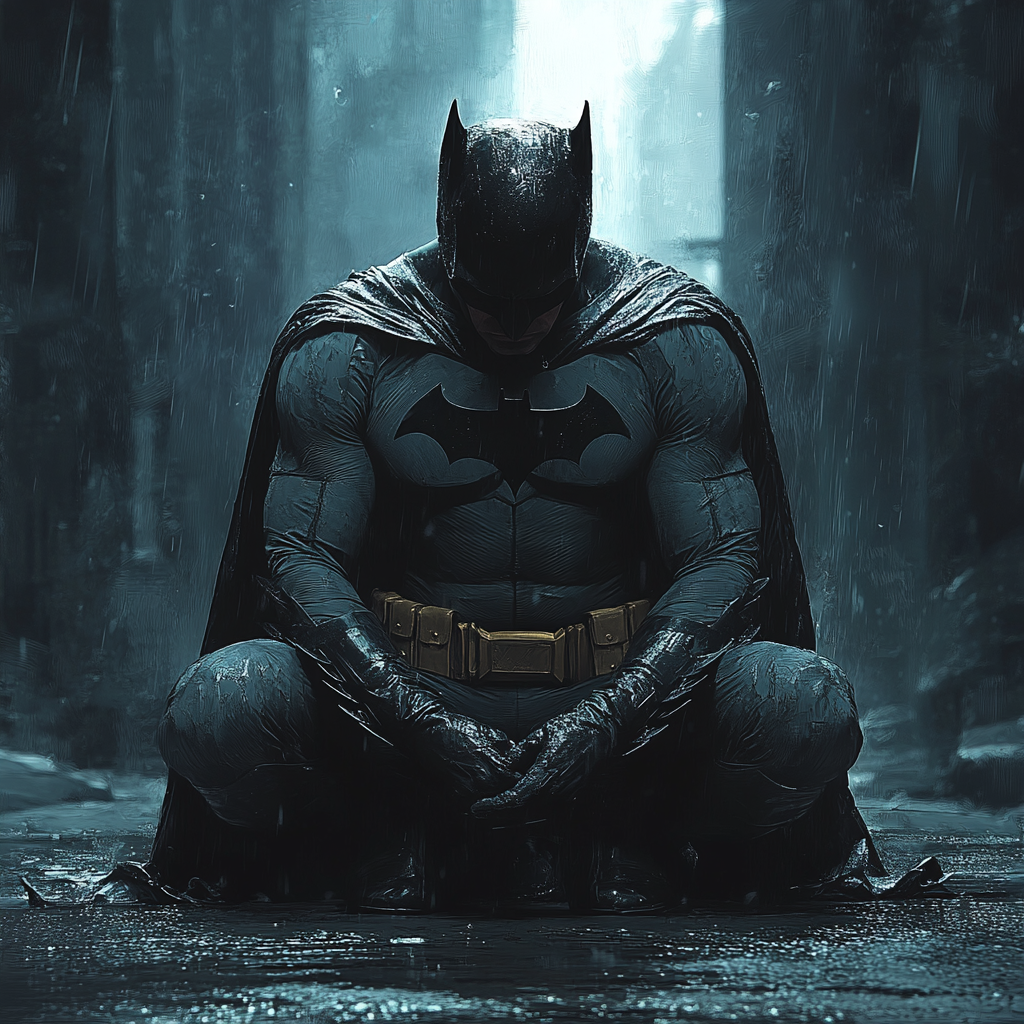
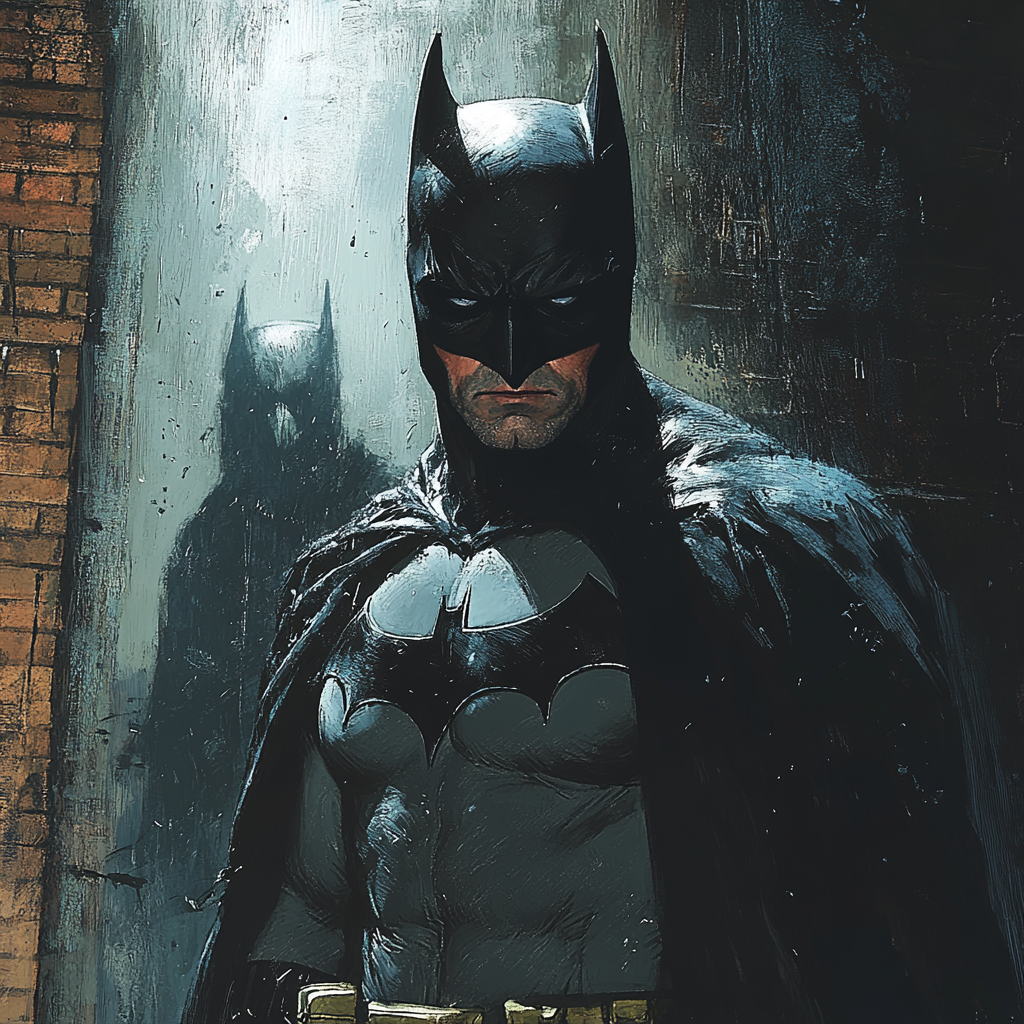
Batman has long stood as a symbol of resilience, justice, and the power of human will. Cloaked in darkness, he’s a hero who walks the line between vigilante and saviour, refusing to stray too far into the light or the shadow. But beneath the mask, Bruce Wayne is a man shaped by trauma—an orphan who witnessed the brutal murder of his parents and who, as a result, was thrust into a lifelong battle with his inner demons. What sets Batman apart from other heroes is that his strength doesn’t come from superhuman abilities but from his woundedness. He is, at his core, a wounded hero, an archetype that has echoed through mythology and depth psychology for centuries.
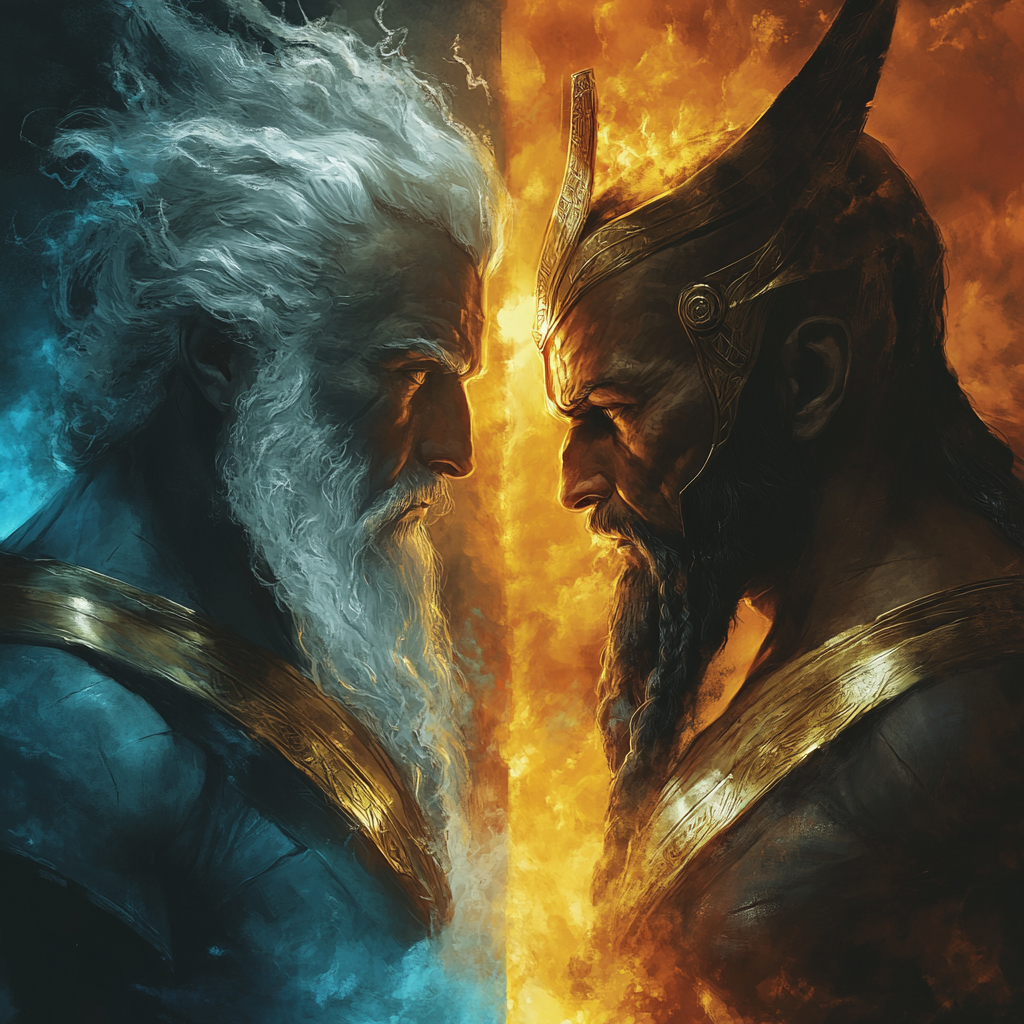
In this way, Batman joins a pantheon of mythic figures like Hades and Osiris—gods who are comfortable navigating the liminal spaces between life and death, light and shadow. Both Hades, the ruler of the underworld, and Osiris, the god of death and resurrection, embody the kind of archetypal journey that Batman undertakes. They each dwell in realms where the veil between worlds is thin, where life’s darkest truths must be confronted in order to transform and gain wisdom. Batman, too, exists in this space, constantly drawn into the depths of Gotham’s underworld, both literally and metaphorically.
As we explore the idea of Batman as the wounded hero, we’ll look at how his trauma serves as a gateway to the archetypal shadow realms that mythological figures like Hades and Osiris represent. We’ll also see how his story reflects the universal human experience of living in that tension between light and dark, order and chaos, wholeness and fragmentation. This archetypal resonance is what makes Batman not just a symbol of justice but also a figure deeply connected to our collective unconscious—a hero who, despite his wounds, rises again and again to fight the darkness.
The Wounded Hero Archetype
At the heart of every myth, there is a wound—a pivotal moment of trauma that shapes the hero’s journey. In the world of archetypes, the wounded hero represents the figure who has suffered deeply, yet channels that suffering into a higher purpose. Carl Jung described archetypes as universal symbols or motifs that recur throughout the collective unconscious, and the wounded hero is one of the most profound. This archetype embodies the paradox that, through wounding, one is forged into a hero—brokenness becomes the source of power, insight, and transformation.
Batman is perhaps one of the clearest modern embodiments of the wounded hero. His story is inseparable from the tragedy that defines him: the death of his parents, gunned down in front of his young eyes in a senseless act of violence. This trauma doesn’t just propel Bruce Wayne into the vigilante life; it becomes the wound he carries for the rest of his days. It’s his burden, his drive, and his raison d’être. Batman’s entire mission—the protection of Gotham—is rooted in his unresolved grief and pain, and this is precisely what makes him a wounded hero. Unlike many superheroes who thrive in the light of their powers or victories, Batman is continuously shaped by his shadows.
In mythology, the wounded hero archetype often manifests in gods and figures who endure immense suffering but emerge with a new kind of wisdom or power. Take, for instance, the myth of Osiris. He is a god who was once whole, only to be brutally murdered and dismembered by his brother Set. His pieces were scattered across the world, and it was only through the tireless efforts of his wife, Isis, that he was reassembled and brought back to life. But even in his resurrection, Osiris was changed—he became the ruler of the underworld, forever marked by his death, yet transformed into a powerful figure of judgment and renewal.
Like Osiris, Batman is perpetually marked by his trauma. His mission to rid Gotham of its darkness is both an external and internal battle—a fight to keep the chaos of the world at bay while managing his own internal shadows. The same principle applies to Hades, who, though not a hero in the traditional sense, rules over the dead in a world of darkness, presiding over what most fear to face: the finality of death and the unknown. Hades does not fear the shadows; he lives within them, much like Batman.
The wounded hero archetype, then, is not about overcoming trauma in the traditional sense—it’s about living with it, transforming it into something powerful. Batman, like Hades and Osiris, walks this line between destruction and renewal. His wound never heals, and in many ways, it isn’t supposed to. It’s a sacred wound that allows him to be the dark protector Gotham needs, and this unresolved pain is what connects him to the mythic archetype of the wounded hero. His power isn’t his physical strength or intellect; it’s his ability to carry his wound and use it as the fuel for his mission.
In Jungian terms, the wounded hero is a figure who integrates their shadow—those darker, unresolved parts of the psyche. Batman’s relentless pursuit of justice is as much an attempt to reconcile his inner darkness as it is to bring order to the streets of Gotham. It’s this delicate balance between light and shadow, trauma and heroism, that makes the archetype so compelling, not just in mythology but in the way it resonates with our own lives.
We all carry wounds, and like Batman, we’re faced with the choice: do we allow our wounds to define us, or do we find a way to transform them into our strength?
Batman’s Trauma: The Catalyst for the Heroic Journey
Batman’s origin story is one of the most compelling in modern mythology, not because it involves cosmic battles or godlike powers, but because it’s rooted in a simple, devastating moment: a child losing his parents. This trauma—Bruce Wayne witnessing the brutal murder of Thomas and Martha Wayne—becomes the defining event of his life. It’s not just a loss; it’s the birth of Batman. The pain and fear that young Bruce felt in that alley never fade, but rather evolve into the fuel that drives him forward. In many ways, this trauma is not something that can be healed—it becomes a companion that informs his mission, his identity, and his methods.
In psychology, trauma often manifests as a split, a fragmentation of the self. For Bruce, this split creates the dual identity of Bruce Wayne, the billionaire playboy, and Batman, the dark vigilante. This division reflects the deep internal rift caused by his trauma, a rift that echoes through every action he takes. Unlike many heroes, Batman doesn’t possess an inherent sense of invulnerability or hope. His heroism is forged in the fires of loss, and this makes him a complex, sometimes contradictory figure. He’s not saving Gotham to fulfill an abstract ideal of justice—he’s trying to prevent the city’s dark underbelly from creating more victims like himself.
Where many mythic heroes are driven by quests of discovery or transformation, Batman’s journey is more about containment. He’s not trying to conquer an external enemy; he’s attempting to manage the internal chaos that was unleashed the night his parents died. His trauma never fully resolves, but it transforms into something larger than himself—a mission to bring order to the chaos of Gotham’s streets. This mission, however, is not one of pure altruism; it’s deeply personal. Every criminal he apprehends, every villain he faces, is in some ways a symbolic confrontation with the forces of darkness that took his parents from him.
This is where Batman’s path diverges from that of other mythic figures. In mythology, the hero’s journey often involves crossing thresholds, confronting external trials, and emerging changed on the other side. In contrast, Batman’s journey is cyclical—there is no final battle, no decisive victory. Instead, his fight is ongoing, endless, as he constantly returns to the same darkness that created him. His trauma acts as both a wound and a compass, forever guiding him back to the streets of Gotham, where the line between good and evil is blurred.
While mythological figures like Osiris undergo literal death and resurrection, Batman’s transformation is psychological. After the death of his parents, Bruce Wayne essentially “dies” as well, and from that death, Batman is born. But unlike Osiris, who is reassembled and made whole, Bruce never fully recovers from his dismemberment. He exists in a permanent state of fragmentation, with Batman representing the shadow self that rises from his wound. His mask is more than just a disguise—it’s a manifestation of his internal split, allowing him to function in a world where his trauma is both his greatest strength and his deepest vulnerability.
Batman’s trauma also places him in direct opposition to many of his adversaries, who are often twisted reflections of his own darkness. Characters like the Joker or Two-Face represent what happens when trauma consumes an individual entirely. They are the embodiment of chaos, reminding Batman that he is always on the brink of becoming what he fights against. This dynamic is central to his journey—his trauma not only shapes his mission but also keeps him in constant tension with the forces of disorder that he seeks to control.
In many ways, Batman’s journey mirrors that of Hades, the god who presides over the dead but is never truly part of the world of the living. Batman operates in the shadows, and while he protects the living, his life is one of isolation and darkness. Gotham itself becomes a kind of underworld—full of corruption, crime, and chaos—that only Batman can navigate. He is both the protector and the prisoner of this world, unable to escape its grip because it is tied to the wound he carries.
Unlike mythic heroes who seek resolution or transcendence, Batman knows that his trauma cannot be undone. His role as Gotham’s guardian is not about healing—it’s about control. He cannot stop the darkness within himself, but he can channel it, direct it, and use it to prevent others from experiencing the same pain. This is the paradox of the wounded hero: Batman’s greatest strength comes from his wound, but it is also the source of his unending struggle. There is no final victory, no moment of triumph—only the constant return to the shadows.
Batman as a Liminal Figure
One of the most fascinating aspects of Batman’s character is how he exists in a liminal space—a realm that lies between the clear boundaries of light and dark, good and evil, life and death. Liminality, in myth and psychology, refers to the threshold between two states of being, a place where transformation occurs but is never fully resolved. Batman, more than almost any other hero, embodies this liminality, constantly navigating the grey areas of morality, law, and identity.
Unlike heroes like Superman, who represent the clear light of idealised justice, Batman operates in the shadows, both literally and metaphorically. He is not a symbol of pure goodness, nor is he an agent of chaos like his arch-nemesis, the Joker. Instead, Batman treads the fine line between order and disorder, justice and vengeance. This makes him a liminal figure, one who thrives in the in-between spaces where the usual rules of morality and law no longer apply.
In myth, we often see liminal figures in gods and beings who dwell at the edges of the known world, like Hades. He exists apart from both the living and the dead, ruling over a shadowy domain that is neither here nor there. Like Hades, Batman is comfortable operating in the unseen, hidden corners of Gotham City, a place of corruption and crime where the law struggles to maintain control. But unlike Hades, who reigns over the dead with cold detachment, Batman actively engages with this world, striving to impose his own sense of justice within it.
Similarly, Osiris embodies liminality through his own transformation. After his death and resurrection, Osiris does not return to the land of the living but instead becomes the ruler of the underworld, a place where life and death intermingle. In the same way, Batman never truly exists in the daylight world of Bruce Wayne. Even when he walks among Gotham’s elite as a billionaire, his true self remains in the shadows, bound to his identity as the Dark Knight. Like Osiris, Batman has been forever changed by the trauma he endured, and this transformation leaves him unable to fully return to the world of the living.
Batman’s liminality is not just about his relationship to Gotham’s criminal underworld; it’s also reflected in his complex moral code. He follows a strict rule never to kill, which separates him from the villains he fights, but his methods are often violent, brutal, and psychologically taxing. This tension between upholding justice and flirting with the darker impulses of vengeance is what makes him such a unique figure among superheroes. He refuses to cross certain lines, yet he constantly tests their boundaries, often operating outside the law to achieve his goals.
This moral ambiguity places Batman in stark contrast to heroes who follow clear, idealised codes of conduct. His world is not one of black-and-white choices but of difficult, sometimes morally grey decisions. For example, he works alongside police commissioner Jim Gordon but refuses to be constrained by the rules of the legal system. This liminal space allows him to pursue justice on his own terms, without the restrictions that bind others. It’s what makes him both a hero and an outlaw, a figure trusted by Gotham’s citizens yet feared by its criminals.
Yet Batman’s liminality also comes at a cost: isolation. Much like Hades, who is cut off from the world of the living, Batman’s constant dwelling in the shadows leaves him distanced from those he cares about. His relationships are strained because of the double life he leads, and even his allies, like Alfred and Gordon, can only support him from a distance. He is a protector, but one who is perpetually alone, caught between two worlds that he can never fully belong to—Bruce Wayne’s world of privilege and Batman’s world of darkness. This duality is the core of his struggle.
In many ways, Batman’s identity is defined by his ability to navigate these in-between spaces. His strength comes not from his ability to overpower enemies but from his comfort in uncertainty, in ambiguity. He operates where others fear to tread, engaging with the shadowy parts of the human experience, both in the criminals he faces and in his own psyche. Batman’s true superpower is his ability to move fluidly between these worlds, embodying the archetype of the liminal figure—a hero who, like Hades or Osiris, can dwell in the dark without losing sight of the light.
This constant dance between light and shadow is what makes Batman so compelling as a modern mythic figure. He is the embodiment of the grey areas that we all inhabit—the place where our fears, desires, and moral dilemmas collide. Batman’s liminality makes him relatable on a deeply human level. We, too, must often navigate the spaces between right and wrong, light and dark, grappling with the tension between who we are and who we aspire to be. And like Batman, we must learn to walk the line, finding our strength not in purity or perfection, but in our ability to hold these opposites in balance.
Hades and Osiris: Gods of the Shadow and the Underworld
Batman’s character has often been compared to mythological figures, but few parallels are as striking as those with Hades and Osiris, both of whom are gods of the shadow, rulers of realms beyond the living. While Batman is no god, his embodiment of shadow work, trauma, and his place in Gotham’s underworld closely aligns him with these ancient figures. Both Hades and Osiris reign over domains that are hidden from the light, where transformation occurs not in life, but through death, destruction, and rebirth. In many ways, Batman shares their dominion over the darker aspects of existence—he is not a figure of pure light but a guardian of the liminal spaces where life and death, good and evil, intertwine.
Hades: Lord of the Unseen
Hades, the Greek god of the underworld, is not often portrayed as a villain, but he is undoubtedly a figure of mystery and shadow. As the ruler of the dead, Hades’ domain is beneath the surface, both literally and figuratively. He reigns in the underworld, a place of finality and separation from the living world above. Much like Batman, Hades is often misunderstood. He is not evil, but he is feared, and his role as lord of the dead places him at the edge of the known world, where most mortals dare not go.
Batman, too, inhabits this hidden, shadowy realm. His Gotham is not the bright, hopeful city depicted in the daytime; it is a place of crime, corruption, and fear, especially when the sun sets. Like Hades, Batman rules over this underworld, not with cruelty but with a sense of responsibility. He becomes a protector of those who live in fear of the chaos lurking in the city’s dark corners. But, unlike the bright, shining heroes of Metropolis, Batman embraces the role of a shadowy figure—his power comes from the darkness itself, from understanding its depths and manoeuvring within it.
Hades’ connection to the unseen and the underworld mirrors Batman’s role in Gotham. Both figures stand at the threshold between two worlds—life and death for Hades, law and chaos for Batman. They are not consumed by these worlds but instead rule over them with an intimate understanding of their complexity. Batman’s ability to operate in the shadows and navigate Gotham’s criminal underbelly with precision and purpose speaks to this shared mastery of the unseen. His very identity is cloaked in darkness, and it is in this darkness that he finds his strength.
Osiris: Death, Resurrection, and Renewal
Osiris, on the other hand, offers a different kind of shadow: one that speaks to transformation and renewal. As the Egyptian god of death and rebirth, Osiris is dismembered by his brother Set, torn apart, and later reassembled by his wife, Isis. His journey through death leads him to the throne of the underworld, where he becomes a figure of resurrection. Osiris is both broken and reborn, a god who symbolises the cyclical nature of life and death, destruction and creation.
Batman’s journey parallels Osiris’s in profound ways. Bruce Wayne, shattered by the trauma of his parents’ death, undergoes his own form of symbolic death. The boy who witnessed that brutal act in the alley dies with his parents, and from this fragmentation, Batman is born. But like Osiris, Batman’s journey is not about healing in the traditional sense—it’s about transformation. His trauma doesn’t fade into the background; it becomes the very foundation of his new identity. Bruce Wayne’s brokenness is reassembled, not as a healed whole, but as a new, more powerful form: Batman.
Like Osiris, Batman’s rebirth comes with a deep connection to the shadow. He operates within the dark spaces of Gotham, but this is not a place of destruction alone—it is also a place of creation. Batman’s existence in the shadows allows him to rebuild what has been broken, bring order to chaos, and restore a sense of justice to a city that seems irreparably corrupt. In this way, he mirrors Osiris’s role as a figure of resurrection and renewal. He transforms Gotham, much as Osiris oversees the cycle of life and death, always returning to the underworld to guide those who pass through its gates.
But while Osiris ultimately ascends to a place of peace, ruling the dead from a distance, Batman’s transformation is never fully complete. His resurrection is ongoing, a cycle of destruction and renewal that plays out again and again in the pages of his story. Each new crisis, each new villain, brings him back to the core of his trauma, forcing him to rebuild himself anew. Batman, like Osiris, is forever marked by his wounds, yet it is through these wounds that he draws his power.
Batman’s Unique Connection to the Underworld
In comparing Batman to these mythological figures, it becomes clear that his role as Gotham’s protector is not just about fighting crime. It is about his ability to navigate the spaces where most people cannot go—into the darkness, into the heart of trauma, into the underworld itself. Hades’ reign over the dead and Osiris’s mastery of resurrection speak to Batman’s own ability to engage with death and rebirth, not as a one-time transformation but as a constant cycle of destruction and renewal.
Batman, Hades, and Osiris are all rulers of the shadow in their own way. But while Hades and Osiris are gods, fixed in their roles, Batman remains human. His power comes from his willingness to embrace his humanity, to accept the pain of his trauma, and to use it as a source of strength. He is not just a hero of the light, but a hero of the liminal spaces, the in-between places where transformation occurs. Like Hades and Osiris, he is comfortable in the shadows, not because he is unafraid of them, but because he knows they are necessary for true renewal.
The Shadow Self: Batman’s Relationship with Darkness
One of the most profound aspects of Batman’s character is his intimate relationship with the shadow—a concept deeply rooted in Carl Jung’s psychological theory. Jung believed that the shadow represents the unconscious parts of ourselves, the aspects we deny, repress, or fear. It contains both darkness and potential, the things we hide from the world and even from ourselves. In Batman’s case, the shadow is not just something he grapples with; it’s something he has learnt to live within. His heroism is not born from his ability to conquer the shadow but from his willingness to engage with it, face it, and wield its power.
Batman’s shadow self is symbolised by the mask he wears, the dark persona he adopts to fight crime. Unlike many heroes, who live in the light of public adoration or who represent ideals of purity, Batman embraces the shadow as part of his identity. The Bat itself, a creature of the night, embodies fear, the unknown, and the hidden. By taking on this symbol, Bruce Wayne chooses to confront his own fear and use it as a weapon. But more than that, he becomes a living representation of the shadow, moving through Gotham’s darkest corners, confronting the city’s hidden evils while simultaneously acknowledging the darker parts of himself.
In Jungian terms, the shadow must be integrated, not defeated. Batman’s relationship with his shadow is one of complex integration—he doesn’t banish it or try to destroy it. Instead, he accepts its role in his life, knowing that without it, he could not fulfil his mission. The criminals he faces are often extreme manifestations of unintegrated shadows—figures like the Joker or Two-Face, who have been fully consumed by their darker impulses. In many ways, these villains represent what Batman might become if he allowed his shadow to take full control, giving in to the desire for vengeance or chaos.
However, what sets Batman apart is his discipline, his unwavering commitment to a moral code that keeps him from crossing certain lines. This code, particularly his refusal to kill, is what prevents him from becoming the very thing he fights against. His struggle is constant—he must continually confront his shadow without letting it consume him. In this way, Batman’s journey is not one of transcending the shadow but of balancing it. He moves within the shadowy realms of Gotham and within himself, walking the tightrope between justice and vengeance, order and chaos.
The tension between Batman and his shadow is also evident in his relationships with other characters. His closest allies, such as Alfred, Commissioner Gordon, and even his protégé, Robin, often serve as reminders of his humanity, grounding him when he veers too close to the edge. They act as mirrors, reflecting back the parts of Bruce Wayne that he might lose touch with when submerged in the Batman persona. The dichotomy between Bruce Wayne and Batman is itself an expression of this shadow work—Bruce represents the part of him that seeks connection, order, and stability, while Batman is the embodiment of his shadow, the part that operates in darkness and isolation.
Jung’s concept of the shadow also ties into Batman’s lifelong confrontation with fear. As a boy, Bruce Wayne was paralysed by the fear and helplessness of watching his parents die. As Batman, he consciously adopts fear as a tool. His mastery over fear allows him to confront the criminals of Gotham, many of whom, like the Scarecrow, use fear as their primary weapon. In this sense, Batman’s ability to navigate the shadow extends beyond his own psyche and into the external world—he uses fear to strike at the heart of Gotham’s villains, turning the psychological weapon they wield back against them.
What’s particularly interesting about Batman’s relationship with his shadow is that it’s not about defeating the darkness, but about finding power within it. Unlike other heroes, whose arcs might focus on overcoming internal demons, Batman’s journey is about accepting that the darkness will always be part of him. His strength lies in his ability to channel this darkness towards a greater purpose, without letting it overwhelm him. He is not immune to the pull of his shadow, but he knows how to navigate it with precision. This makes him a hero of paradox—one who embodies both light and shadow, hope and fear, justice and vengeance.
In this sense, Batman’s relationship with his shadow is what makes him a unique and enduring figure in modern mythology. He is not a hero in the traditional sense of purity and perfection, but a hero of the liminal, the in-between spaces where light and dark coexist. His strength comes not from banishing the shadow but from integrating it into his identity, accepting its role in his life without surrendering to it. Batman teaches us that the shadow is not something to fear but something to understand, to confront, and ultimately, to use as a source of power and transformation.
Navigating Life and Death: Batman’s Role as a Death-Rebirth Figure
One of the most defining characteristics of Batman’s journey is his continual dance with death—not only as a thematic element of his story but as a symbolic process of destruction and rebirth. Unlike mythological heroes who undergo a singular death and resurrection, Batman’s entire existence is framed around this cyclical process. He repeatedly experiences symbolic “deaths,” moments of profound destruction and loss, only to rise again—reborn and more determined than ever. This cycle mirrors the ancient myths of gods like Osiris, whose death and rebirth symbolise the deeper mysteries of transformation.
From the very beginning, Batman’s story is rooted in death—the murder of his parents in Crime Alley, a tragedy that marks the “death” of Bruce Wayne as an innocent child. But this loss doesn’t destroy him. Instead, it propels him into becoming something entirely new. Bruce Wayne, as he was, ceases to exist, and from his personal destruction, Batman is born. This is the first and most significant instance of Batman’s role as a death-rebirth figure, but it is far from the last.
Throughout his story, Batman continually confronts his own mortality—both physically and psychologically. In the Knightfall saga, for instance, he is physically broken by Bane, who shatters his body and forces Bruce to relinquish the Batman identity for a time. This represents another symbolic death, as Batman is no longer capable of protecting Gotham. Yet, this “death” leads to a period of renewal, where Bruce undergoes a painful recovery, both physically and spiritually, to reclaim the mantle of the Dark Knight. His rebirth isn’t just a return to his previous self—it’s a transformation. Each time Batman is broken, he rises with new strength and insight, much like Osiris, who, after being dismembered and reassembled, rules the underworld as a more powerful and eternal figure.
In myth, the journey through death often leads to profound insight and wisdom, and Batman’s relationship with death follows a similar path. His role as Gotham’s protector is not just about physical survival; it’s about navigating the psychological and existential thresholds that define human existence. Batman has faced death in countless forms—whether battling the Joker’s lethal schemes, walking the fine line of self-destruction through his relentless pursuit of justice, or even faking his own death (as seen in The Dark Knight Rises). Each encounter with death forces him to confront his deepest fears and vulnerabilities, yet each time, he emerges with a renewed sense of purpose.
This cycle of destruction and rebirth is also reflected in Batman’s interactions with Gotham itself. The city, often depicted as a crumbling, decaying entity, goes through its own cycles of destruction and renewal. Batman’s role as a guardian is, in many ways, about ensuring that Gotham’s death—whether in the form of corruption, crime, or literal destruction—leads to rebirth. He is both a protector and a destroyer, allowing certain systems of power to crumble while helping new, more just structures emerge from the rubble. This is the essence of the death-rebirth archetype—allowing what no longer serves to die so that something new can rise in its place.
Batman’s complex relationship with death extends beyond his own experiences and into the lives of those around him. His greatest foes—such as the Joker and Ra’s al Ghul—are often figures who, in their own ways, also embody the death-rebirth cycle. Ra’s al Ghul, with his use of the Lazarus Pit to cheat death, represents the shadow side of this archetype—seeking immortality without true transformation. The Joker, too, flirts with death in nearly every confrontation, embodying chaos and destruction without the renewal that Batman seeks. These villains serve as foils to Batman’s more constructive engagement with the cycle of death and rebirth—they represent what happens when the process becomes unbalanced, when death is sought without the intent for true renewal.
Batman’s no-kill rule is also deeply tied to this archetype. While he constantly faces death, he refuses to cross that final line with his enemies, understanding that killing would mark an irreparable transformation in himself. In refusing to kill, Batman preserves the potential for renewal—not only for himself but also for Gotham and the criminals he fights. He believes in the possibility of redemption, even if it seems far-fetched, and by allowing his enemies to live, he maintains a belief in the cycle of rebirth—that even those lost in darkness might one day rise again.
Perhaps the most striking example of Batman’s role as a death-rebirth figure is found in the Death of the Family storyline, where he confronts the Joker in a symbolic battle for the soul of Gotham. In this narrative, Batman comes face-to-face with his own mortality, as the Joker seeks to strip him of everything he holds dear. Yet, rather than succumbing to the Joker’s nihilistic vision, Batman emerges with a renewed sense of his mission and a deeper understanding of the stakes involved. It’s not just about defeating villains—it’s about navigating the constant tension between destruction and creation, life and death.
In the end, Batman’s role as a death-rebirth figure is not about achieving a final victory over death but about living within its cycles. He doesn’t seek immortality, nor does he aim to escape the consequences of his actions. Instead, he embraces the idea that destruction is a necessary part of transformation, and that each time he faces death—whether literal or symbolic—he has the opportunity to rise again, stronger and more focused. This cyclical process mirrors the human experience, where loss and renewal are constant companions, and where our ability to navigate these cycles defines who we are.
Conclusion: The Wounded Hero as a Bridge Between Worlds
In the end, Batman stands as more than just a comic book hero—he is a symbol of the wounded hero archetype, a figure who continually navigates the complex space between light and shadow, life and death, heroism and humanity. His journey is not one of simple triumph, but one of ongoing struggle, transformation, and rebirth. Like mythological figures such as Hades and Osiris, Batman thrives in liminal spaces, where few others dare to tread. His power comes not from his ability to defeat enemies or overcome his trauma, but from his willingness to live within the tension of these opposites and to make meaning from them.
Batman’s woundedness is not just a backstory—it’s the core of his character. It’s what gives him his edge, his drive, and his unshakeable commitment to his mission. But unlike many other heroes, who may find resolution or healing in their arcs, Batman’s wound remains an integral part of who he is. His trauma never fully heals, and that’s what keeps him grounded in the world of Gotham, fighting endlessly for justice. His identity as both Bruce Wayne and Batman is split, much like the dismembered Osiris, and yet, in this fragmentation, he finds his purpose. Rather than seeking to return to a life of wholeness, Batman accepts that his brokenness is the key to his mission.
In many ways, Batman serves as a bridge between worlds. He connects the ordinary and the extraordinary, the human and the heroic, the light and the dark. He operates in the physical world of Gotham while also inhabiting the psychological landscape of his own shadow. He is not fully one thing or the other, and this liminality allows him to act as a guide, both for Gotham’s citizens and for the readers who follow his journey. Batman shows us that the path of the wounded hero is not about erasing the pain or conquering the darkness, but about integrating those aspects into a larger sense of self and purpose.
This bridging role is crucial because it makes Batman a figure of both vulnerability and strength. He’s not invincible like Superman, nor is he purely driven by an ideal of justice like Wonder Woman. Instead, Batman’s heroism is messy, complicated, and deeply human. His connection to the shadow, the underworld, and the cycle of death and rebirth makes him relatable to anyone who has faced loss, struggled with trauma, or found themselves navigating the grey areas of life. In Batman, we see a reflection of our own struggles with the darkness, and we are reminded that it is possible to face it and emerge stronger—not by escaping the darkness but by learning to move within it.
Batman’s archetypal resonance goes beyond the pages of comics or the screen of blockbuster films. He speaks to a universal truth about the human condition: that we are all wounded in some way, and yet these wounds can become the source of our greatest strength. His journey is a testament to the idea that even in our brokenness, we have the power to rise, to transform, and to make meaning from the chaos of our lives. Just as Osiris’s dismemberment leads to his reign in the underworld, and just as Hades presides over the shadowy realm of death, Batman’s place in Gotham’s shadows allows him to be a force for order, for justice, and for hope.
In conclusion, Batman embodies the archetype of the wounded hero because he never turns away from his trauma. Instead, he allows it to guide him, to push him deeper into the shadow, where he finds both danger and purpose. He is not a hero of absolutes, but of balance—a figure who walks the line between darkness and light, never fully belonging to either but understanding the necessity of both. His story reminds us that the journey of the wounded hero is not about healing in the traditional sense but about finding power, purpose, and even redemption within our wounds. Like Batman, we too can become heroes of our own stories, embracing our shadows and using them to illuminate the path ahead.
Call to Adventure
Batman’s journey invites us to look at our own lives through the lens of the wounded hero. His story shows that our wounds, rather than holding us back, can become the very source of our strength. So, ask yourself:
What shadows are you walking through right now? How might your own experiences of pain and trauma be transformed into something powerful and purposeful?
I encourage you to reflect on your own relationship with the shadow—the parts of yourself you might hide or suppress—and consider how they can be integrated into your life in a meaningful way. Whether it’s through journaling, meditation, or even creative expression, take time to explore the places where light and shadow meet within you.
If you’re interested in diving deeper into archetypes, mythology, or Jungian psychology, I’d love to hear from you. Share your thoughts in the comments, or join my Mythic Soul Tribe, where we explore these concepts together, using tools like the Tarot and personal mythology to navigate the liminal spaces of our lives. Let’s walk this path of transformation side by side, embracing the shadows and finding strength in our wounds.
The journey of the wounded hero is one we all share. Let’s take it together.
This is a beautiful visualisation of Carl Jung’s model of the psyche, particularly focussing on the interactions between the conscious and unconscious mind. Here’s a breakdown of its elements:
Outer World: Represents the external reality and social environment we navigate.
Persona: The social mask we wear to interact with the outer world, shaped by societal roles and expectations.
Ego: The centre of our conscious identity, responsible for decision-making and self-awareness.
Personal Unconscious: Contains repressed memories, thoughts, and emotions, along with personal complexes that influence behaviour.
Complexes: Patterns of emotions, memories, and perceptions organised around common themes (e.g., power, inferiority) and often triggered by specific experiences.
Anima/Animus: The unconscious feminine (Anima) or masculine (Animus) aspects within individuals, representing the balance of internal energies.
Shadow: The hidden, often darker aspects of the personality that are repressed or denied by the conscious mind.
Self: The core of the unconscious, representing the totality of the psyche, integrating both conscious and unconscious aspects. It connects to archetypal energies.
Collective Unconscious: A shared level of the unconscious that houses universal archetypes, such as the Great Mother, Trickster, Senex (wise old man), and Puer Aeternus (eternal youth).
Archetypes: Universal, recurring symbols or patterns (e.g., Trickster, Great Mother) that influence human behaviour and experiences.
Transcendent Function: bridges the conscious and unconscious, enabling psychological growth and self-integration. This function helps mediate between opposites like the persona and shadow.
Overall, this diagram is a guide to understanding the layers of Jungian psychology and the journey towards individuation—integrating all parts of the psyche to achieve wholeness.
The Tarot and Jungian psychology are intimately connected in their shared concern with the deep layers of the psyche and their reliance on archetypes to convey spiritual, psychological, and existential truths. Both systems offer symbolic maps that help navigate the inner world, facilitating self-reflection and personal growth. By exploring the structure of the Tarot deck through the lens of Jungian psychology, we can begin to see how the layers of the psyche correspond to different parts of the deck, offering a profound tool for self-understanding.
The Major Arcana and the Collective Unconscious
In Jungian psychology, the collective unconscious is a level of the psyche that transcends personal experience. It contains archetypal images and motifs that are shared among all humans, regardless of culture or time. These archetypes are expressions of universal human experiences: birth, death, love, power, transformation, and so on. They are not accessible through the conscious mind but reveal themselves in myths, dreams, and symbols—very much like the Major Arcana in Tarot.
The 22 cards of the Major Arcana can be seen as archetypes that emerge from the collective unconscious. They represent fundamental forces and stages of the human journey, from the Fool’s initial leap into the unknown to the World card’s completion of the cycle. Each card carries deep symbolic meaning that reflects universal experiences. For example, the Magician is a powerful figure of creation and will, echoing the archetypal image of the hero or creator in Jungian thought, while the Hermit represents the seeker on a quest for inner wisdom, akin to the Jungian archetype of the Wise Old Man.
These Major Arcana archetypes can be likened to “guides” within the collective unconscious, shaping our experiences and prompting transformation. When we pull a card from the Major Arcana, we are accessing these universal forces, encountering figures that mirror core spiritual or psychological experiences.
The Minor Arcana and the Personal Unconscious
The personal unconscious in Jungian psychology consists of memories, experiences, and complexes that are unique to the individual but are often buried beneath the surface of conscious awareness. This layer is shaped by personal history and development, and its contents can influence behavior, emotions, and thoughts in subtle but profound ways.
The Minor Arcana, which consists of four suits, can be seen as representing the more personal, day-to-day aspects of life that are rooted in the personal unconscious. Each suit—Pentacles, Cups, Swords, and Wands—corresponds to different dimensions of human experience:
Pentacles (Earth) relate to the material world and physical reality, including issues of work, security, and the body.
Cups (Water) represent the realm of emotions, relationships, and inner feelings.
Swords (Air) symbolize the intellect, communication, and conflict—reflecting the mental and psychological challenges individuals face.
Wands (Fire) stand for creativity, action, and inspiration, embodying the drive to express oneself and manifest ideas into the world.
These suits echo the personal unconscious by delving into the specific, everyday manifestations of our unconscious energies. If the Major Arcana are the grand archetypes of existence, the Minor Arcana depict how these energies are channeled into our lives through thoughts, feelings, and actions.
The Court Cards and the Ego
In the Tarot deck, each suit contains four Court Cards: the Page, Knight, Queen, and King. These figures represent various aspects of personality and are often seen as different facets of the ego. In Jungian terms, the ego is the center of consciousness, the part of the psyche that organizes thoughts and perceptions and manages day-to-day interactions with the external world.
The Court Cards, then, can be understood as expressions of the ego’s role in navigating different domains of life:
Pages often represent youthful, exploratory aspects of the ego, a willingness to learn and grow.
Knights are dynamic and action-oriented, reflecting the ego’s drive to engage and shape the external world.
Queens embody a more mature, nurturing approach, balancing action with insight and emotional intelligence.
Kings are the culmination of mastery within their element, symbolizing a balanced and fully realized ego that has developed wisdom and authority over its domain.
The Court Cards show us how the ego relates to the different energies of the suits and offers insight into how we might integrate these aspects of our personality into a cohesive whole.
The Fool’s Journey: A Map of Individuation
The Tarot can also be viewed through the framework of Jung’s concept of individuation—the process of becoming whole by integrating the unconscious into conscious awareness. The Fool’s journey through the Major Arcana can be seen as a symbolic representation of this process.
Beginning as the Fool, who represents pure potential and innocence, we journey through the stages of life, encountering figures that correspond to various archetypal forces—the Magician, the Empress, the Devil, and so on—each one inviting deeper self-awareness and integration of unconscious material. As we meet these archetypes, we are forced to confront different layers of our psyche, from the personal complexes represented in the Devil to the transcendent unity found in the World.
By completing the Fool’s journey, we approach individuation, a state where the conscious and unconscious are harmoniously balanced, and the individual has fully realized their true nature. The Tarot offers this journey as both a personal map and a universal pattern, helping seekers make sense of their inner world through myth and symbol.
Conclusion: Tarot as a Mirror of the Psyche
The Tarot and Jungian psychology are complementary systems that offer a rich, symbolic language for exploring the human soul. The Major Arcana corresponds to the collective unconscious, the Minor Arcana to the personal unconscious, and the Court Cards to the ego. Together, they map out the journey of individuation, helping us to see not only the forces that shape our lives but also the path toward greater self-awareness and integration.
The Tarot, then, becomes more than a divinatory tool; it is a mirror of the psyche, reflecting back the archetypal forces and personal energies that govern our inner world. By engaging with the cards, we engage with the deepest aspects of ourselves, opening the door to transformation and wholeness.
Is it retro to go back to personal blogging like it was back in the days of LiveJournal where I started with my very first blog, chew the bottom of my shoe Talk about about #ThrowBackThursday, I made my first entry on that blog on Sunday, 10 December 2006 at 0:932 AM.
It’s podcasting day, which I love because I get to have coffee in town and wax lyrical about things of the mind, body, and soul with my good friend Sarah Beth Hunt. Today, we were in the funky realm of fantasy and talking about what Jung called the Active Imagination. It’s something that’s a natural inborn process, but we let it lapse once we move into adulthood. I mean play acting and fantasy is for kids right? Well wrong, according to Jung. He used it bring himself back from the brink of a mental breakdown after his split with Freud.
As J.C.F. Schiller said, people are completely human only when they are at play.
And here’s the thing, the great joy of play, fantasy, and imagination is that we can be utterly free and spontaneous. In fact, we’re free to imagine anything. We can think the unthinkable because nothing is unimaginable in this pure state of being.
It’s not like I really needed an excuse to embrace my inner child, but at least now, I can cite science to back up my child-like play. Ruth got these for me:
Oh and I met Charlotte of Leamington Joy Jam today. She stopped by the studio (which is really the first floor of the Havana Cafe) and shared a moment with us. She has an interesting story which I’m hoping too capture next Friday in audio format.
Speaking of audio format, have you had a chance to check out the new Anchor app. Yesterday they released Anchor 2.0. The app has changed so much that it might as well be another app. It’s structured now to be like an audio version of Snapchat. You record audio clips straight to the app along with up loading sound clips and music from Spotify and iTunes. Basically you now have a radio station in your pocket. A lot of people who were diehard users of Anchor 1.0 are having really hard time adjusting to the new version. Change is a big brown bear. Before it was much more like a conversation with people now it’s more of a radio talk show. Anyway, if you find yourself over there, look me up.
Here are a couple of drawings, or fine art funnies, that I drew yesterday. I posted them out on social media, but here they are in case you missed them:
I have more to say, but I need to rock on with a few other tasks before the evening gets away from me, plus I’m already on the Chivas Regal.
I tell you what, if you’ve read this far, and you like it, give me some feedback so I know somebody is listening. That will encourage me to continue.