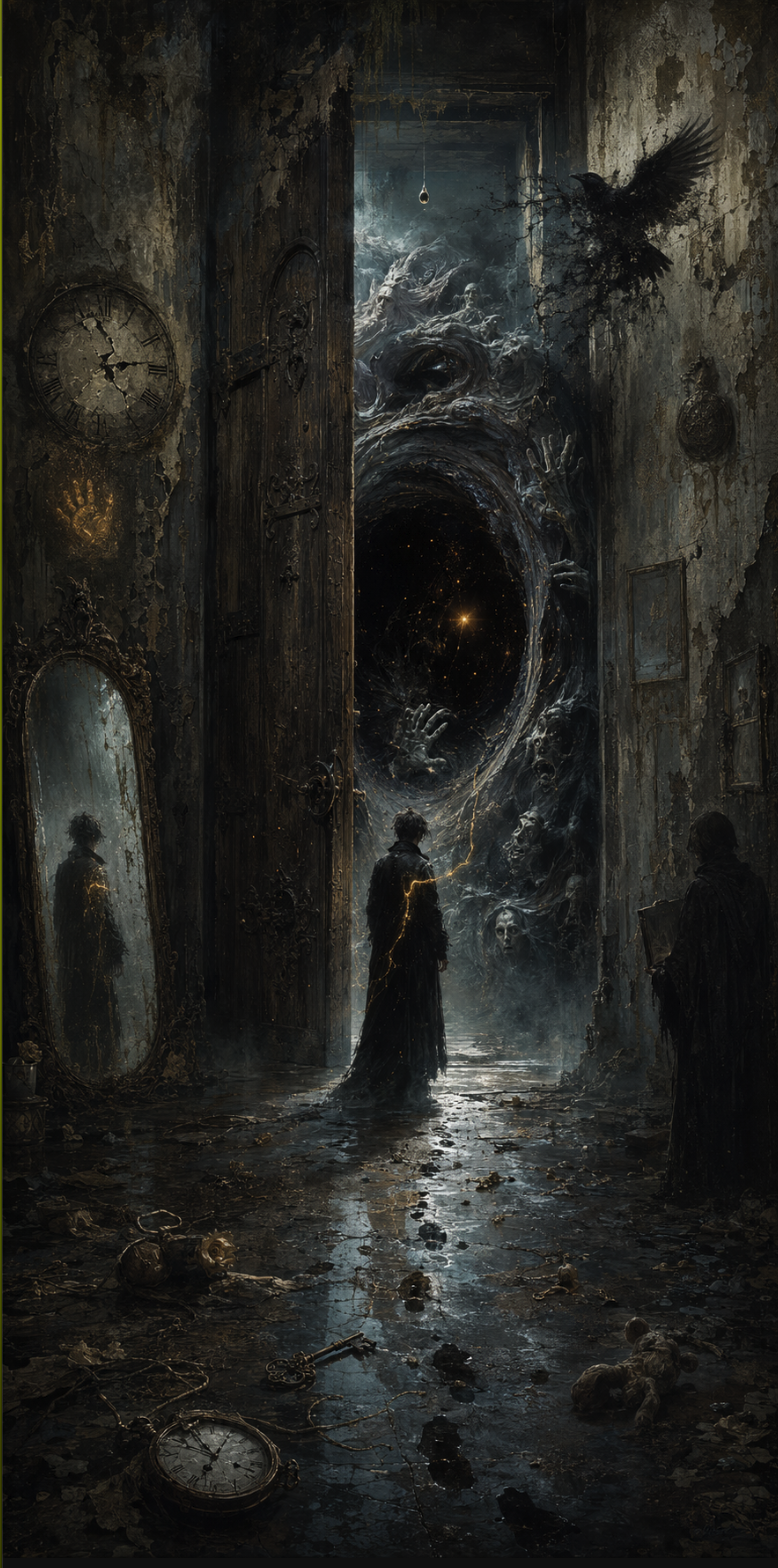
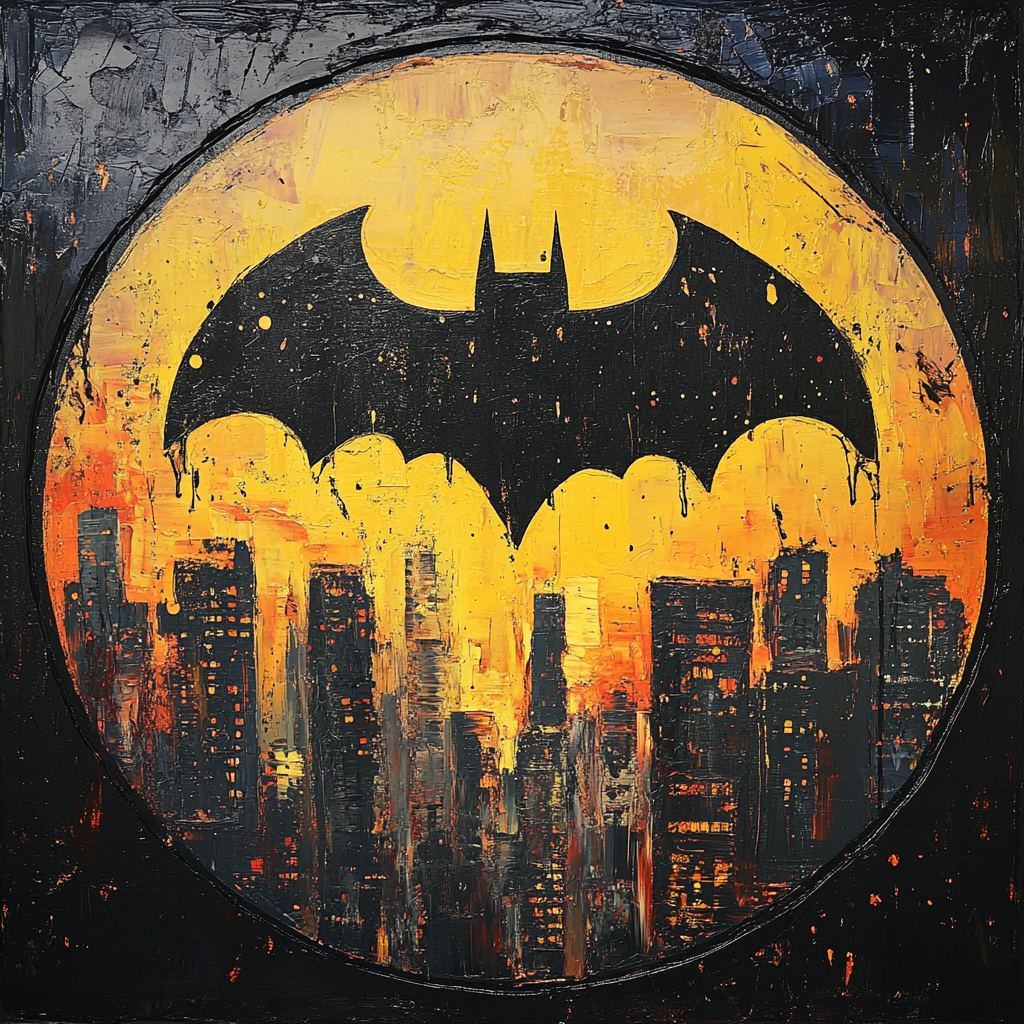
“Leave the door open for the unknown, the door into the dark. That’s where the most important things come from, where you yourself came from, and where you will go.”
I like the mystery of it. The unknown is a black hole, a dragon, a grey man living a grey life. It whispers: “You’ll die in obscurity. You’ll leave no trace that you ever existed. You have won no awards. You’ve made no impact. You’re gone tomorrow just like that.”
I hang onto the idea that people know me in my immediate circle. I’m not invisible. I’m just afraid of the dark.
(2)
The black hole as a mirror
The black hole isn’t just out there. It’s a reflection of what I’ve been swallowing myself:
The fear of annihilation: “A black hole waiting to swallow me up into nothingness.”
The grey man: A persona I’ve cultivated to avoid detection, but also to avoid living.
The trace: The desperate need to be remembered, even if it’s just by one person.
This isn’t just existential dread. It’s Terror Management Theory in action. The fear of death driving me to seek legacy. But what if legacy isn’t about awards or fame? What if it’s about the notes I leave behind, the conversations I have, and the lives I touch without even realising it?
(3)
Obscurity as a superpower
I’ve spent years blending in, but what if the grey is just the background? The real colour is in the notes I haven’t written yet.
Textcasting (Dave Winer’s vision of applying the philosophy of podcasting to text) offers a way out. It’s about owning your trace, publishing to your own domain, and letting your notes outlive the platforms. The dark is still there, but now I’ve got a flashlight.
(4)
The dragon of obscurity
The dragon isn’t the unknown. It’s the fear of it. And the only way to slay it is to open the door daily.
Here’s how I’m reframing obscurity:
A. The Trace Audit
What traces have I already left? A conversation, a note, a kindness.
What traces do I want to leave? A blog post, a shared idea, a life changed.
B. The Doorway Ritual
Light a candle (symbolizing the light I bring into the dark).
Write one fear on a piece of paper and burn it.
Write one question I want the dark to answer (e.g., “What’s the first step out of gray?”).
C. Textcasting as a Practice
Treat every note as a potential Textcasting post, even if it’s just for me.
Use interoperability to ensure my trace isn’t tied to a single platform.
(5)
The doorway manifesto
(A Declaration of How to Meet the Unknown)
The Door
I will open doors daily—not out of habit, but because the unknown is where growth lives.
I will not flinch from the draft that rushes in, nor mistake hesitation for wisdom.
Some doors are meant to be passed through; others, to be closed with intention. I will learn the difference.
The Black Hole
I will not let the void swallow me whole. I will anchor myself to light: a question, a breath, a single step forward.
I will remember that black holes bend time, not destiny. What feels like forever is often just a moment stretched thin.
I will leave breadcrumbs—not to find my way back, but to prove I was here.
The Trace
I will leave traces: words, scars, echoes, footprints in wet cement. But I will not demand they last forever.
I will trust that some marks fade because they were never meant to be permanent—only necessary.
I will collect traces of others, too: a phrase underlined in a borrowed book, a stranger’s laugh in a crowded room. These are my inheritance.
The Gray
I will be grey when I need to: neither hero nor villain, neither right nor wrong, but a shape shifting in the fog.
I will not mistake grey for safety. Ambiguity is not armor—it is the terrain I must learn to navigate.
I will seek clarity where I can, but I will not force it where it does not belong.
The Daily Practice
I will open one door I’ve been avoiding. I will sit with the discomfort until it teaches me something.
I will erase one trace I no longer need. I will create one new trace, however small.
I will ask myself: What color am I today? And I will answer honestly, even if the answer is gray.
The Invitation
This manifesto is not a rulebook. It is a conversation with my future self.
I will revise it. I will argue with it. I will spill coffee on it and laugh.
I will leave it on a park bench someday for someone else to find.
(6)
Unanswered questions
1. “Is the black hole a void or a womb? Could it be a space of creation, not erasure?”
Cosmic Echoes: Astrophysical black holes are both destroyers and creators—they warp spacetime, birth galaxies, and forge elements. This metaphor mirrors the duality: the black hole as a liminal crucible. What if the “void” is just the pause before a new form emerges? (See: Negative Space in Art or Taoist Wu Wei.)
Counterpoint: Not all voids are fertile. Some are just… void. The difference might lie in agency—do you enter the black hole passively (erasure) or actively (transformation)?
Psychological Lens: Jung’s shadow and Bion’s O (the unknowable) suggest the black hole is where repressed material gestates. The “womb” isn’t comfortable—it’s alchemical. (Compare to The Dark Night of the Soul.)
Exercise: Next time you’re in a “black hole” moment, ask: What is this space trying to grow?
2. “What would happen if I thanked the black hole for showing me my fears?”
Gratitude as Alchemy: Thanking the black hole reframes it from enemy to teacher. This is a stoic move (Amor Fati) or a Buddhist one (seeing fear as a path to compassion). But it’s also practical:
I’ve created a beginner’s guide to the geography of the psyche, designed for those of us without a formal background in psychology. The full guide is about 48 pages—far too long for a single blog post! So, I’m thinking of publishing it as an ebook eventually, but first, I’ll be serialising it here on the blog. Afterward, I’ll compile the posts into an ebook and make it available on Gumroad.
This series is especially for spiritual explorers who approach depth psychology from a mystical perspective, blending psychological insights with the Tarot. My goal is to show how depth psychology can enrich and deepen our spiritual practices.
As we go deeper into the landscape of the psyche, we begin to encounter figures that seem to exist not just within our own minds but in the minds of others, across cultures and times. These figures are what Carl Jung referred to as archetypes—universal patterns or characters that dwell in the unconscious and shape the way we perceive and experience the world. According to Jung, these archetypes are ingrained components of the human psyche that have their origins in the collective unconscious, a deeper level of the unconscious mind that is accessible to all people. These archetypal forms act as signposts in the landscape of the psyche, guiding us through personal transformation, relationships, and the inner work of self-discovery.
Overview of Major Archetypes: The Self, The Shadow, The Anima/Animus, The Hero
Jung identified many archetypes, but several stand out as particularly central to the psychological journey. The Self, in Jungian terms, is the totality of the psyche—it represents the whole person, both conscious and unconscious. The Self is the center around which all other archetypes orbit, and the journey toward individuation (the process of becoming whole) is essentially a journey toward integrating the Self. While it is often symbolized by a mandala or circle in Jungian imagery, the Self can also appear in dreams and active imagination as an image of completeness, such as a wise old man or woman, a deity, or a unifying symbol like the sun or a mountain.
Another fundamental archetype is The Shadow, representing the parts of ourselves that we reject, deny, or are unaware of. The Shadow is composed of all the aspects of the self that we have repressed—qualities that we don’t want to acknowledge, such as anger, jealousy, or fear. These aspects of ourselves don’t disappear, however; they live in the unconscious, influencing our behavior from the shadows. When we encounter the Shadow in dreams or during periods of inner conflict, it may appear as a figure we fear or an aspect of ourselves we’d rather avoid. The process of integrating the Shadow involves facing these darker aspects head-on, bringing them into consciousness, and accepting them as part of who we are. Only by doing so can we become more whole.
Jung also introduced the concept of The Anima and Animus, which are the feminine and masculine aspects of the psyche, respectively. For Jung, every man carries an inner feminine (Anima) and every woman an inner masculine (Animus), and these archetypes influence how we relate to the opposite gender, both internally and externally. The Anima or Animus can appear in dreams as a romantic figure, an alluring stranger, or an idealized partner. They can also represent inner qualities like creativity, intuition (Anima), or assertiveness and logic (Animus). The integration of these inner figures allows for a more balanced, harmonious self, where both masculine and feminine energies coexist.
The Hero archetype, perhaps the most familiar of all, represents the part of us that embarks on a journey of growth and transformation. The Hero is the one who leaves the safety of the known world, confronts challenges, and returns changed. In Jungian psychology, the Hero’s journey is a metaphor for the process of individuation, where we must confront our inner demons (often in the form of the Shadow) and integrate the lessons learned into our conscious lives. The Hero appears in countless myths, from the story of Perseus slaying Medusa to Luke Skywalker facing Darth Vader. This archetype mirrors our own struggles and triumphs, offering a roadmap for personal growth.
Archetypes as Inhabitants of the Psyche’s Landscape
In the landscape of the psyche, archetypes function as inhabitants or even landmarks that we encounter along the way. Each archetype represents a specific psychological energy or force that shapes our thoughts, behaviours, and emotions. For example, the Hero archetype may appear when we are facing a significant challenge in life—perhaps a new job, a difficult relationship, or an inner struggle with self-doubt. The appearance of the Hero signifies that we are being called to confront this challenge and grow through it, much like a traveller crossing a treacherous mountain range.
Similarly, the Shadow archetype might emerge when we find ourselves projecting negative qualities onto others. If we notice that we’re constantly criticising someone for being selfish or controlling, it’s possible that these traits represent our own Shadow—the parts of ourselves that we have disowned. The Shadow can be imagined as a dark forest in the psyche, a place we fear to enter because of what we might find. But as with all landscapes, facing the Shadow is necessary if we are to navigate the psyche fully.
The Anima and Animus often show up in our interactions with others, particularly in romantic relationships. If a man repeatedly dreams of an elusive or mysterious woman, for example, it could signify his Anima—the inner feminine—calling for integration. He may need to develop more of his emotional sensitivity or intuition, qualities traditionally associated with the feminine, to achieve psychological balance. In a woman, the Animus might appear as a powerful, assertive figure, prompting her to cultivate more of her confidence or leadership abilities. These inner figures serve as guides, showing us what qualities need to be developed within ourselves.
The Role of the Collective Unconscious in Shaping Archetypes
At the heart of Jung’s theory of archetypes is the concept of the collective unconscious, which he described as a layer of the unconscious mind shared by all human beings. Unlike the personal unconscious, which is shaped by individual experiences, the collective unconscious consists of universal, inherited patterns and images that are common to all cultures. This is why certain archetypes, like the Hero, the Mother, or the Wise Old Man, appear in myths and stories across time and geography—they are part of the collective psychic inheritance of humanity.
The collective unconscious shapes the way these archetypal figures appear in our dreams, myths, and active imagination. When we dream of embarking on a journey or facing a fearsome monster, we are tapping into a story as old as humanity itself. These images are not just personal; they are part of the fabric of the human experience, passed down through generations as a way of helping us navigate the challenges of life.
Jung believed that the collective unconscious was not just a repository of ancient images but also a source of creativity and spiritual insight. When we engage with archetypal figures through dreamwork, active imagination, or myth, we are not just engaging with our personal psychology—we are connecting with the larger human experience. This is why myths and stories resonate so deeply with us: they reflect the archetypal patterns that live within us all.
For example, the Hero’s journey in mythology is a universal pattern because it reflects the psychological process of growth and transformation that we all undergo. Whether it’s the Greek hero Hercules confronting his labors, or a modern individual overcoming personal obstacles, the same archetypal pattern is at play. These stories offer a symbolic map for navigating the psyche, showing us the trials, rewards, and transformations that occur when we face our challenges.
By mapping the archetypal territories of the psyche, we gain insight into the universal forces that shape our inner world. Archetypes like the Self, the Shadow, the Anima/Animus, and the Hero act as guides and inhabitants of this landscape, each one offering a specific kind of wisdom or challenge. The collective unconscious ensures that these figures are not just personal but shared across humanity, allowing us to connect our own psychological journey to the broader story of human experience. Understanding and integrating these archetypes helps us navigate the terrain of the psyche with greater awareness, leading us toward wholeness and self-realization.
Encountering Archetypes on the Journey
As we journey through the landscape of the psyche, we inevitably encounter archetypal figures that serve as companions, guides, and challengers along the way. These archetypes are not just passive symbols but dynamic forces that shape the course of our psychological journey, presenting us with opportunities for growth, transformation, and deeper self-understanding. Each of these archetypal encounters reflects a stage in our personal development, much like the cycles and phases of life itself.
The Hero’s Journey: Venturing into the Unknown
One of the most well-known and powerful archetypal patterns is the Hero’s Journey, a cyclical quest that represents the process of transformation and self-realization. This journey, first formalized by mythologist Joseph Campbell, follows a timeless structure that can be found in myths, legends, and stories across cultures. But more than that, it mirrors the psychological journeys we all undertake in our lives.
The Hero’s Journey begins with a call to adventure—an invitation to leave the known world and venture into the unknown. This might manifest in our lives as a sudden change, a crisis, or an inner calling to seek something more. For example, when we step into a new role at work, start a new relationship, or begin a period of personal growth, we are entering the unknown.
The psychological landscape shifts, and we find ourselves at the beginning of an adventure.
Along the way, the hero meets guides and mentors—figures who offer wisdom, advice, and tools for the journey. These may be literal mentors in our lives—teachers, friends, or therapists—but they also manifest as inner guides in the psyche. Dreams, intuition, or sudden insights can serve as mentors, offering guidance when we feel lost.
Of course, no hero’s journey is complete without challenges and trials. In myths, these challenges often take the form of monsters, puzzles, or enemies. In the landscape of the psyche, they might appear as fears, self-doubt, or old patterns that we must confront and overcome. These trials test our resilience and force us to grow. Just as the hero faces their dragons, we too must face our inner obstacles—often the parts of ourselves we would rather avoid.
The journey is not a one-way trip; it is cyclical. The hero returns to the known world, but they do not return unchanged. They bring back new insights, strengths, or a transformed sense of self. In our own lives, after facing a significant challenge, we return to our ordinary lives with a new perspective or deeper wisdom, completing the cycle until the next call to adventure comes. This journey repeats throughout life, each cycle deepening our connection to the psyche and expanding our understanding of ourselves
The Shadow: Confronting the Darkness Within
No journey into the psyche is complete without encountering The Shadow—the parts of ourselves that we have repressed, ignored, or denied. Jung described the Shadow as the unconscious aspects of the personality that the ego refuses to acknowledge. It holds our fears, our insecurities, and our darker impulses. Yet, paradoxically, the Shadow also contains much of our untapped potential.
In the landscape of the psyche, the Shadow often appears as dark forests or underworld caverns—places where fear, danger, and mystery lurk. These are the symbolic spaces where we must confront the aspects of ourselves that we’ve hidden away. A journey into the dark forest may represent a period of self-examination or a confrontation with old wounds. For example, when we find ourselves repeatedly triggered by certain situations or people, we may be facing projections of our Shadow—qualities in others that reflect something unresolved within ourselves.
The underworld, found in myths like the descent of Persephone or Orpheus’ journey, represents a deeper engagement with the Shadow. It is a place of descent, where we must face our darkest fears and integrate them into our consciousness. Shadow work is often uncomfortable, requiring us to bring to light the parts of ourselves we’d rather keep hidden. But it is only by confronting the Shadow that we can truly heal and become whole.
While the Shadow can be frightening, it is also transformative. By facing our darkness, we gain strength, insight, and the ability to live more authentically. This is why the hero must always descend into the underworld or face the dragon in the cave. The Shadow, once integrated, becomes a source of power and wisdom.
The Wise Old Man/Woman: Moments of Insight and Growth
Another important archetype encountered on the psychological journey is the Wise Old Man or Wise Old Woman—figures of deep insight, wisdom, and guidance. These archetypal figures often appear at moments of great personal growth or transformation, offering clarity and perspective that help the hero continue on their path.
In mythology, the Wise Old Man or Woman is often found in places of spiritual significance—on mountain tops, in sacred groves, or at the edge of the known world. In the psyche, these figures may appear in dreams or moments of deep reflection, symbolizing our connection to the Self, the integrated and whole aspect of our personality. They guide us toward greater understanding, helping us navigate the complexities of life with wisdom.
When we encounter the Wise Old Man or Woman, we are often at a turning point. These figures provide the insight we need to make decisions that align with our deeper selves. For example, in a time of crisis, we might dream of a wise figure offering advice, or we may have a moment of clarity during meditation or contemplation. These encounters remind us that we carry the potential for wisdom within ourselves, even when we feel lost or uncertain.
This archetype reflects the process of individuation—the journey toward becoming whole. As we grow, the Wise Old Man or Woman becomes less of an external guide and more of an internal figure, representing the wisdom we have integrated from our experiences. In moments of challenge or change, they appear to help us navigate the terrain of the psyche with greater clarity.
The Trickster: Confusion and Challenge at the Crossroads
While some archetypes guide us with wisdom, others challenge us in unexpected ways. The Trickster is one such figure—a playful, cunning archetype who often appears at crossroads or in labyrinths, confusing and challenging the hero at key moments. The Trickster’s role is to disrupt, to turn things upside down, and to force us to see the world (and ourselves) in new ways.
In mythology, the Trickster takes many forms—Loki in Norse myths, Hermes in Greek mythology, or Coyote in Native American stories. These figures are shapeshifters, blurring the lines between good and bad, right and wrong. In the psyche, the Trickster often represents the forces of chaos, unpredictability, and sudden change. Just when we think we have things figured out, the Trickster appears to upend our assumptions and force us to confront new realities.
In psychological terms, encountering the Trickster might look like sudden challenges or disruptions in our lives that force us to adapt. These moments can be frustrating, but they also open up new possibilities. The Trickster archetype reminds us not to take ourselves too seriously and to remain flexible and open to the unexpected.
At the crossroads, where we must make important decisions, the Trickster can appear to test our resolve. The confusion and uncertainty that accompany these moments are part of the Trickster’s lesson: growth often comes through chaos and disruption. By embracing the Trickster’s challenges, we learn to navigate the complexities of life with humor, adaptability, and resilience.
Each of these archetypal figures—the Hero, the Shadow, the Wise Old Man/Woman, and the Trickster—represents a key stage in our psychological journey. They appear as guides, challengers, and companions, helping us navigate the landscape of the psyche and move towards greater self-awareness and growth. By understanding these archetypes, we can recognise the roles they play in our lives, allowing us to engage more deeply with the process of personal transformation. Whether we are venturing into unknown lands, confronting our shadows, seeking wisdom, or facing the Trickster’s chaos, these archetypal figures illuminate the path of the inner journey.
Integration: Making the Archetypes Personal
As we encounter archetypes on the journey through the psyche, it’s important to remember that these are not abstract symbols floating in some distant psychological theory. Archetypes are living forces within us, influencing our behaviors, relationships, and inner lives in very real ways. They shape how we experience the world, and each of us has a unique relationship with them. Just as every landscape is shaped by weather, time, and geological forces, our personal experiences with archetypes create the distinctive geographies of our psyches. These experiences are the landmarks of our inner world, and through engaging with them consciously, we can chart our own path toward self-understanding and growth.
How Personal Experiences with Archetypes Create Unique Geographies of the Psyche
Each person’s experience with archetypes is as unique as their fingerprint. While archetypes themselves are universal—shared by all humanity through the collective unconscious—the way they manifest in our individual lives is deeply personal. Our unique experiences, relationships, and environments shape how these archetypes appear, interact, and influence us.
Take, for example, The Hero archetype. For one person, the Hero might emerge through their career journey, where overcoming professional challenges becomes a central part of their psychological landscape. The Hero’s quest may be reflected in their perseverance through difficulties, their ambition, and their need to prove themselves in the face of adversity. In this case, their psyche’s geography might feature steep mountains or long, winding roads—symbols of the obstacles they must overcome to achieve their goals.
For someone else, the Hero archetype might emerge through a deeply personal struggle, such as overcoming addiction or dealing with a loss. Here, the journey may be inward, with the Hero navigating the inner terrain of emotions, self-doubt, and healing. The landscape of their psyche might feature dark forests or deep rivers—symbols of the emotional depths they must traverse. In both cases, the archetype is the same, but the landscape it creates within each person’s psyche is unique, shaped by their personal narrative and context.
This personal mapping of archetypes extends beyond the Hero. For those working with the Shadow archetype, the terrain might consist of hidden caverns or dense forests, symbolizing parts of themselves they fear or repress. Someone who has avoided confronting past trauma, for example, might dream of dark, labyrinthine caves, where they must navigate their way through to find healing. Another person might experience the Shadow as a series of unsettling encounters in their waking life—perhaps through repeated conflicts with authority or projections of anger onto others. These experiences, while uncomfortable, are invitations to explore the hidden territories of the psyche.
Similarly, The Anima and Animus archetypes—the inner masculine and feminine forces—manifest uniquely depending on one’s life experiences and relationships. For example, a man who grew up in a household that suppressed emotional expression may find the Anima archetype appears in his dreams as a mysterious, emotionally rich figure, representing the parts of himself that he’s neglected. For a woman, the Animus may emerge as a stern, authoritative presence, pushing her to integrate qualities of assertiveness and independence that she’s been reluctant to embrace. These archetypes color the landscapes of the psyche in ways that are deeply personal and often reflective of one’s inner balance—or imbalance—between masculine and feminine energies.
In this way, the psyche is a living map, constantly being shaped and reshaped by our interactions with archetypal forces. By paying attention to how these archetypes appear in our personal narratives—whether through dreams, relationships, or moments of crisis—we begin to chart a unique geography of the psyche that helps us understand the deeper patterns shaping our lives.
Tips on Recognizing Archetypes in Daily Life, Relationships, and Creativity
While archetypes are powerful forces, they often operate just beneath the surface of our awareness. Learning to recognize them in our daily lives, relationships, and creative processes is an essential step toward integrating them consciously into our psyche. Here are some ways to start recognizing archetypes in your everyday experiences:
1. Pay Attention to Patterns in Relationships
One of the most obvious places where archetypes show up is in relationships. For example, do you frequently find yourself playing the role of the caregiver, the mentor, or the rebel? These roles are often reflections of archetypal energies at play. The Mother archetype may show up in how you care for others, whether you’re a literal mother or simply someone who nurtures and supports the people around you. Conversely, the Rebel archetype might emerge in your relationships if you often challenge authority or feel drawn to unconventional paths.
Notice also the archetypes that show up in those around you. Do you have a friend who embodies the Magician archetype, always bringing new ideas and transformations into your life? Or perhaps there’s someone in your life who represents the Trickster—someone who disrupts your plans, often teaching you valuable lessons through unexpected challenges. By recognizing these archetypal patterns, you can better understand the dynamics at play in your relationships and how they reflect your inner world.
2. Observe Dreams and Symbols
Dreams are one of the richest sources of archetypal imagery, offering direct access to the unconscious. Keep a dream journal and note any recurring themes or symbols that stand out. For example, if you frequently dream of descending into caves or wandering through forests, you may be engaging with the Shadow archetype. If you dream of flying or embarking on a journey, the Hero archetype may be guiding you through a phase of personal transformation.
Archetypal symbols can also appear in waking life—through synchronicities, recurring motifs, or symbolic experiences. If you repeatedly encounter images of water, fire, or specific animals, ask yourself what these symbols might represent in terms of your inner landscape. Water, for instance, often represents emotions or the unconscious, while fire may symbolize transformation or destruction. These symbols act as signposts, guiding you toward deeper layers of the psyche.
3. Explore Archetypes in Creative Work
Creativity is another space where archetypes frequently manifest. Whether you’re writing, painting, composing music, or engaging in other forms of creative expression, pay attention to the characters, symbols, and themes that emerge. You may find that certain archetypes naturally appear in your creative process. For example, if you often write stories about a lone adventurer, the Hero archetype is likely at work. If your artwork frequently features ambiguous or chaotic elements, the Trickster might be influencing your creative vision.
By engaging consciously with these archetypes, you can deepen your creative practice and use it as a way of exploring the inner landscape. Archetypal energies can provide rich material for creative expression, helping you access parts of yourself that are otherwise difficult to articulate. In this way, creativity becomes a powerful tool for personal growth and integration.
4. Look for Archetypal Energies in Times of Crisis or Transition
Archetypes often become more pronounced during times of crisis or transition. When life forces us to confront the unknown—whether through a major life change, a loss, or a personal challenge—archetypal forces like the Hero, Shadow, and Wise Old Man/Woman often come to the forefront. Pay attention to the roles you take on during these times and the symbols or figures that appear in your dreams and thoughts. They may be guiding you through the challenges, offering opportunities for growth and transformation.
For example, a period of professional uncertainty might activate the Hero archetype, pushing you to take bold steps forward and embrace new challenges. A difficult breakup might bring the Anima or Animus to the surface, inviting you to explore aspects of your inner feminine or masculine that need attention. These moments of crisis are often when archetypes are most visible, offering rich material for self-reflection and growth.
Integrating archetypes into your personal narrative is a powerful way to map the unique geography of your psyche. By recognising the archetypal energies at play in your daily life, relationships, dreams, and creativity, you can begin to engage with these forces consciously. This not only helps you understand the deeper patterns shaping your life but also allows you to actively participate in your own psychological and spiritual development. The more you recognise and integrate these archetypes, the more your inner landscape comes into focus, guiding you towards greater wholeness and self-awareness.
Next up: The Role of the Unconscious in Shaping the Psyche’s Landscape
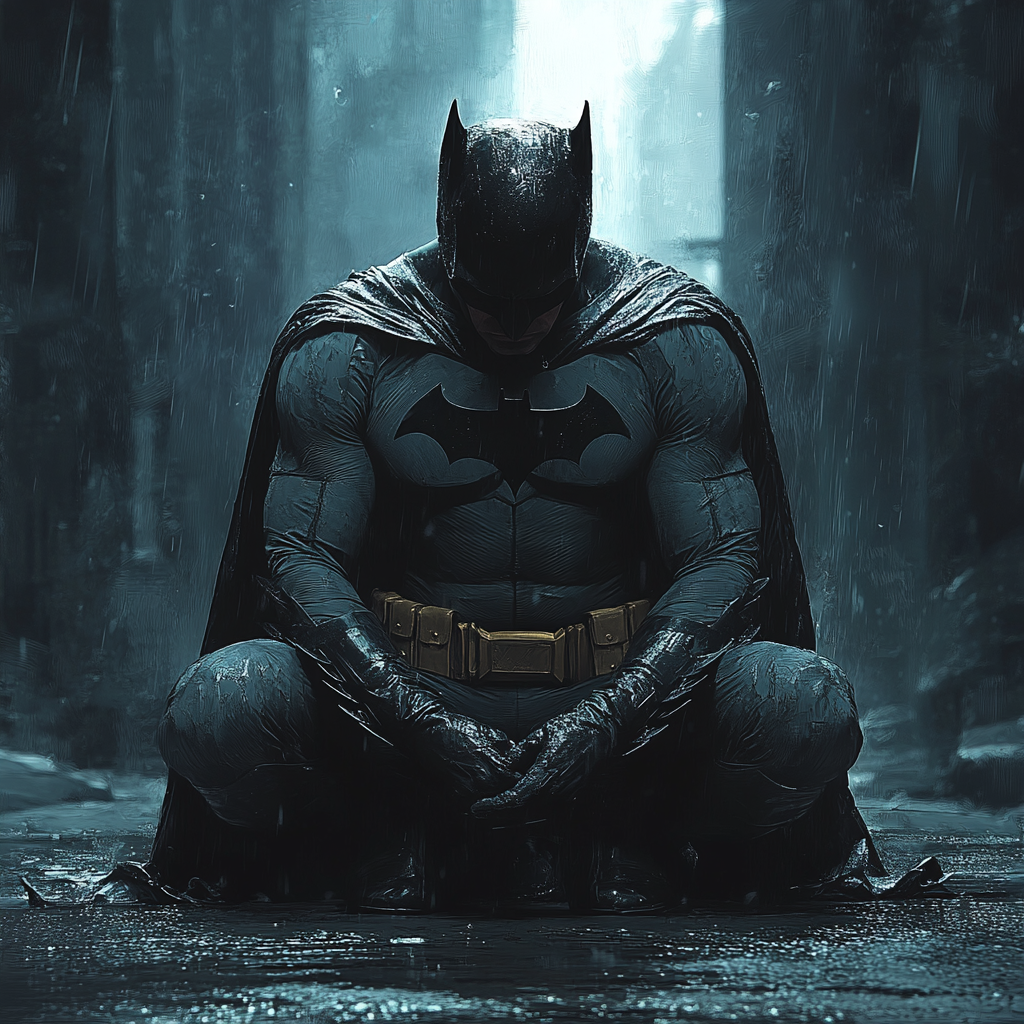
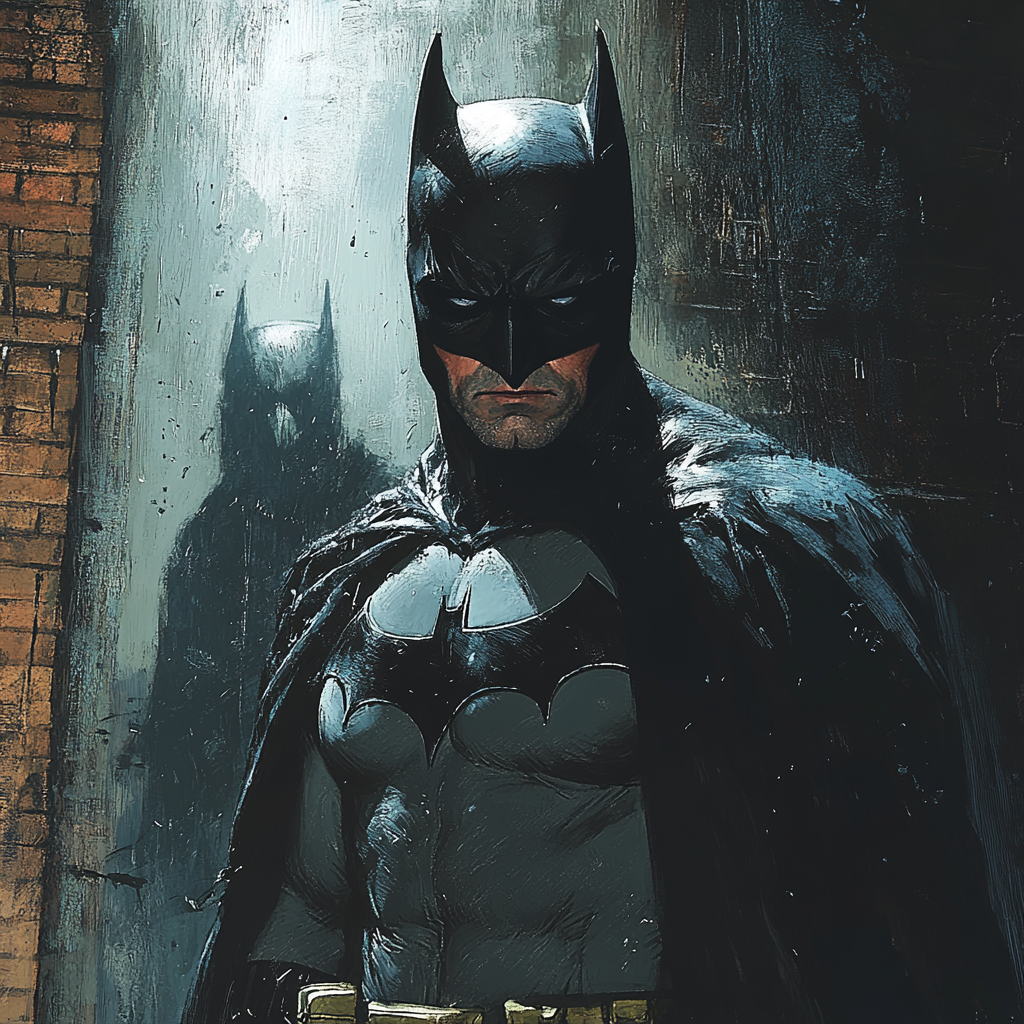
Batman has long stood as a symbol of resilience, justice, and the power of human will. Cloaked in darkness, he’s a hero who walks the line between vigilante and saviour, refusing to stray too far into the light or the shadow. But beneath the mask, Bruce Wayne is a man shaped by trauma—an orphan who witnessed the brutal murder of his parents and who, as a result, was thrust into a lifelong battle with his inner demons. What sets Batman apart from other heroes is that his strength doesn’t come from superhuman abilities but from his woundedness. He is, at his core, a wounded hero, an archetype that has echoed through mythology and depth psychology for centuries.
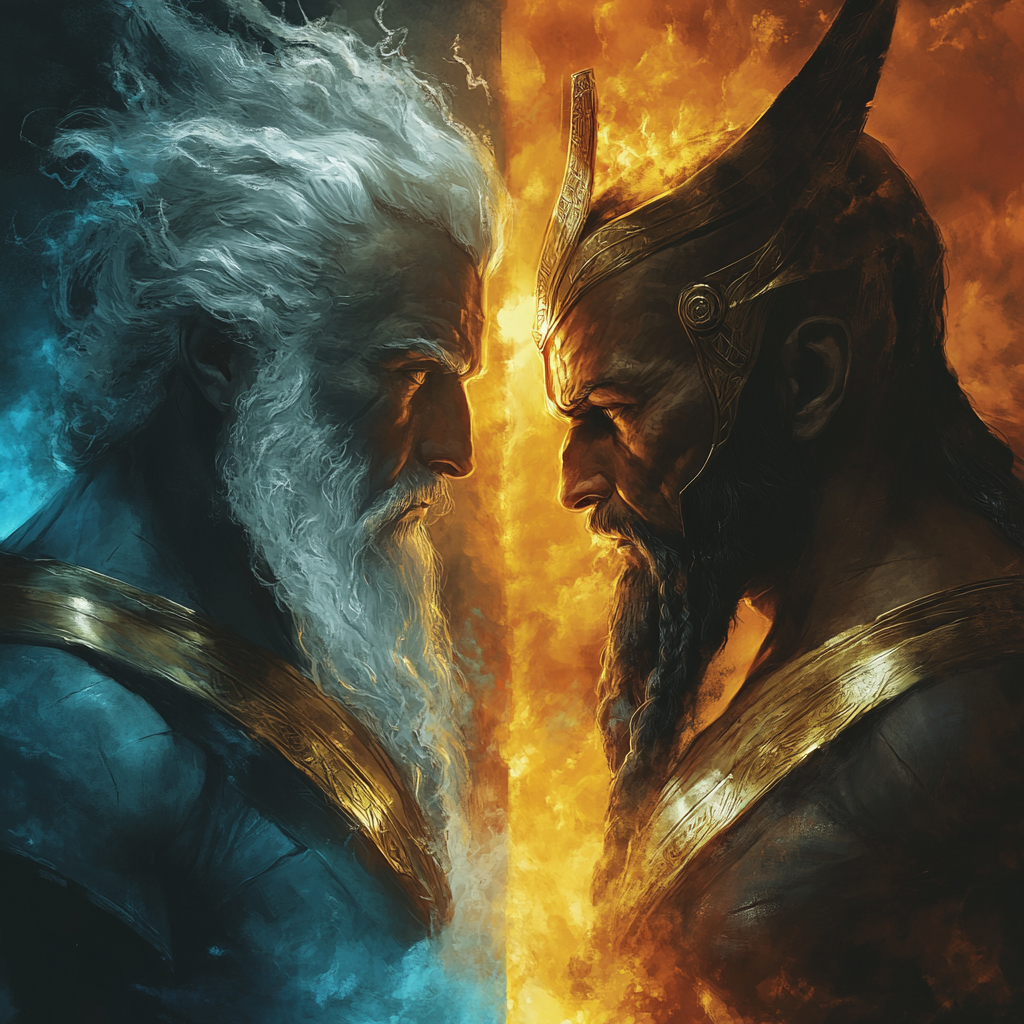
In this way, Batman joins a pantheon of mythic figures like Hades and Osiris—gods who are comfortable navigating the liminal spaces between life and death, light and shadow. Both Hades, the ruler of the underworld, and Osiris, the god of death and resurrection, embody the kind of archetypal journey that Batman undertakes. They each dwell in realms where the veil between worlds is thin, where life’s darkest truths must be confronted in order to transform and gain wisdom. Batman, too, exists in this space, constantly drawn into the depths of Gotham’s underworld, both literally and metaphorically.
As we explore the idea of Batman as the wounded hero, we’ll look at how his trauma serves as a gateway to the archetypal shadow realms that mythological figures like Hades and Osiris represent. We’ll also see how his story reflects the universal human experience of living in that tension between light and dark, order and chaos, wholeness and fragmentation. This archetypal resonance is what makes Batman not just a symbol of justice but also a figure deeply connected to our collective unconscious—a hero who, despite his wounds, rises again and again to fight the darkness.
The Wounded Hero Archetype
At the heart of every myth, there is a wound—a pivotal moment of trauma that shapes the hero’s journey. In the world of archetypes, the wounded hero represents the figure who has suffered deeply, yet channels that suffering into a higher purpose. Carl Jung described archetypes as universal symbols or motifs that recur throughout the collective unconscious, and the wounded hero is one of the most profound. This archetype embodies the paradox that, through wounding, one is forged into a hero—brokenness becomes the source of power, insight, and transformation.
Batman is perhaps one of the clearest modern embodiments of the wounded hero. His story is inseparable from the tragedy that defines him: the death of his parents, gunned down in front of his young eyes in a senseless act of violence. This trauma doesn’t just propel Bruce Wayne into the vigilante life; it becomes the wound he carries for the rest of his days. It’s his burden, his drive, and his raison d’être. Batman’s entire mission—the protection of Gotham—is rooted in his unresolved grief and pain, and this is precisely what makes him a wounded hero. Unlike many superheroes who thrive in the light of their powers or victories, Batman is continuously shaped by his shadows.
In mythology, the wounded hero archetype often manifests in gods and figures who endure immense suffering but emerge with a new kind of wisdom or power. Take, for instance, the myth of Osiris. He is a god who was once whole, only to be brutally murdered and dismembered by his brother Set. His pieces were scattered across the world, and it was only through the tireless efforts of his wife, Isis, that he was reassembled and brought back to life. But even in his resurrection, Osiris was changed—he became the ruler of the underworld, forever marked by his death, yet transformed into a powerful figure of judgment and renewal.
Like Osiris, Batman is perpetually marked by his trauma. His mission to rid Gotham of its darkness is both an external and internal battle—a fight to keep the chaos of the world at bay while managing his own internal shadows. The same principle applies to Hades, who, though not a hero in the traditional sense, rules over the dead in a world of darkness, presiding over what most fear to face: the finality of death and the unknown. Hades does not fear the shadows; he lives within them, much like Batman.
The wounded hero archetype, then, is not about overcoming trauma in the traditional sense—it’s about living with it, transforming it into something powerful. Batman, like Hades and Osiris, walks this line between destruction and renewal. His wound never heals, and in many ways, it isn’t supposed to. It’s a sacred wound that allows him to be the dark protector Gotham needs, and this unresolved pain is what connects him to the mythic archetype of the wounded hero. His power isn’t his physical strength or intellect; it’s his ability to carry his wound and use it as the fuel for his mission.
In Jungian terms, the wounded hero is a figure who integrates their shadow—those darker, unresolved parts of the psyche. Batman’s relentless pursuit of justice is as much an attempt to reconcile his inner darkness as it is to bring order to the streets of Gotham. It’s this delicate balance between light and shadow, trauma and heroism, that makes the archetype so compelling, not just in mythology but in the way it resonates with our own lives.
We all carry wounds, and like Batman, we’re faced with the choice: do we allow our wounds to define us, or do we find a way to transform them into our strength?
Batman’s Trauma: The Catalyst for the Heroic Journey
Batman’s origin story is one of the most compelling in modern mythology, not because it involves cosmic battles or godlike powers, but because it’s rooted in a simple, devastating moment: a child losing his parents. This trauma—Bruce Wayne witnessing the brutal murder of Thomas and Martha Wayne—becomes the defining event of his life. It’s not just a loss; it’s the birth of Batman. The pain and fear that young Bruce felt in that alley never fade, but rather evolve into the fuel that drives him forward. In many ways, this trauma is not something that can be healed—it becomes a companion that informs his mission, his identity, and his methods.
In psychology, trauma often manifests as a split, a fragmentation of the self. For Bruce, this split creates the dual identity of Bruce Wayne, the billionaire playboy, and Batman, the dark vigilante. This division reflects the deep internal rift caused by his trauma, a rift that echoes through every action he takes. Unlike many heroes, Batman doesn’t possess an inherent sense of invulnerability or hope. His heroism is forged in the fires of loss, and this makes him a complex, sometimes contradictory figure. He’s not saving Gotham to fulfill an abstract ideal of justice—he’s trying to prevent the city’s dark underbelly from creating more victims like himself.
Where many mythic heroes are driven by quests of discovery or transformation, Batman’s journey is more about containment. He’s not trying to conquer an external enemy; he’s attempting to manage the internal chaos that was unleashed the night his parents died. His trauma never fully resolves, but it transforms into something larger than himself—a mission to bring order to the chaos of Gotham’s streets. This mission, however, is not one of pure altruism; it’s deeply personal. Every criminal he apprehends, every villain he faces, is in some ways a symbolic confrontation with the forces of darkness that took his parents from him.
This is where Batman’s path diverges from that of other mythic figures. In mythology, the hero’s journey often involves crossing thresholds, confronting external trials, and emerging changed on the other side. In contrast, Batman’s journey is cyclical—there is no final battle, no decisive victory. Instead, his fight is ongoing, endless, as he constantly returns to the same darkness that created him. His trauma acts as both a wound and a compass, forever guiding him back to the streets of Gotham, where the line between good and evil is blurred.
While mythological figures like Osiris undergo literal death and resurrection, Batman’s transformation is psychological. After the death of his parents, Bruce Wayne essentially “dies” as well, and from that death, Batman is born. But unlike Osiris, who is reassembled and made whole, Bruce never fully recovers from his dismemberment. He exists in a permanent state of fragmentation, with Batman representing the shadow self that rises from his wound. His mask is more than just a disguise—it’s a manifestation of his internal split, allowing him to function in a world where his trauma is both his greatest strength and his deepest vulnerability.
Batman’s trauma also places him in direct opposition to many of his adversaries, who are often twisted reflections of his own darkness. Characters like the Joker or Two-Face represent what happens when trauma consumes an individual entirely. They are the embodiment of chaos, reminding Batman that he is always on the brink of becoming what he fights against. This dynamic is central to his journey—his trauma not only shapes his mission but also keeps him in constant tension with the forces of disorder that he seeks to control.
In many ways, Batman’s journey mirrors that of Hades, the god who presides over the dead but is never truly part of the world of the living. Batman operates in the shadows, and while he protects the living, his life is one of isolation and darkness. Gotham itself becomes a kind of underworld—full of corruption, crime, and chaos—that only Batman can navigate. He is both the protector and the prisoner of this world, unable to escape its grip because it is tied to the wound he carries.
Unlike mythic heroes who seek resolution or transcendence, Batman knows that his trauma cannot be undone. His role as Gotham’s guardian is not about healing—it’s about control. He cannot stop the darkness within himself, but he can channel it, direct it, and use it to prevent others from experiencing the same pain. This is the paradox of the wounded hero: Batman’s greatest strength comes from his wound, but it is also the source of his unending struggle. There is no final victory, no moment of triumph—only the constant return to the shadows.
Batman as a Liminal Figure
One of the most fascinating aspects of Batman’s character is how he exists in a liminal space—a realm that lies between the clear boundaries of light and dark, good and evil, life and death. Liminality, in myth and psychology, refers to the threshold between two states of being, a place where transformation occurs but is never fully resolved. Batman, more than almost any other hero, embodies this liminality, constantly navigating the grey areas of morality, law, and identity.
Unlike heroes like Superman, who represent the clear light of idealised justice, Batman operates in the shadows, both literally and metaphorically. He is not a symbol of pure goodness, nor is he an agent of chaos like his arch-nemesis, the Joker. Instead, Batman treads the fine line between order and disorder, justice and vengeance. This makes him a liminal figure, one who thrives in the in-between spaces where the usual rules of morality and law no longer apply.
In myth, we often see liminal figures in gods and beings who dwell at the edges of the known world, like Hades. He exists apart from both the living and the dead, ruling over a shadowy domain that is neither here nor there. Like Hades, Batman is comfortable operating in the unseen, hidden corners of Gotham City, a place of corruption and crime where the law struggles to maintain control. But unlike Hades, who reigns over the dead with cold detachment, Batman actively engages with this world, striving to impose his own sense of justice within it.
Similarly, Osiris embodies liminality through his own transformation. After his death and resurrection, Osiris does not return to the land of the living but instead becomes the ruler of the underworld, a place where life and death intermingle. In the same way, Batman never truly exists in the daylight world of Bruce Wayne. Even when he walks among Gotham’s elite as a billionaire, his true self remains in the shadows, bound to his identity as the Dark Knight. Like Osiris, Batman has been forever changed by the trauma he endured, and this transformation leaves him unable to fully return to the world of the living.
Batman’s liminality is not just about his relationship to Gotham’s criminal underworld; it’s also reflected in his complex moral code. He follows a strict rule never to kill, which separates him from the villains he fights, but his methods are often violent, brutal, and psychologically taxing. This tension between upholding justice and flirting with the darker impulses of vengeance is what makes him such a unique figure among superheroes. He refuses to cross certain lines, yet he constantly tests their boundaries, often operating outside the law to achieve his goals.
This moral ambiguity places Batman in stark contrast to heroes who follow clear, idealised codes of conduct. His world is not one of black-and-white choices but of difficult, sometimes morally grey decisions. For example, he works alongside police commissioner Jim Gordon but refuses to be constrained by the rules of the legal system. This liminal space allows him to pursue justice on his own terms, without the restrictions that bind others. It’s what makes him both a hero and an outlaw, a figure trusted by Gotham’s citizens yet feared by its criminals.
Yet Batman’s liminality also comes at a cost: isolation. Much like Hades, who is cut off from the world of the living, Batman’s constant dwelling in the shadows leaves him distanced from those he cares about. His relationships are strained because of the double life he leads, and even his allies, like Alfred and Gordon, can only support him from a distance. He is a protector, but one who is perpetually alone, caught between two worlds that he can never fully belong to—Bruce Wayne’s world of privilege and Batman’s world of darkness. This duality is the core of his struggle.
In many ways, Batman’s identity is defined by his ability to navigate these in-between spaces. His strength comes not from his ability to overpower enemies but from his comfort in uncertainty, in ambiguity. He operates where others fear to tread, engaging with the shadowy parts of the human experience, both in the criminals he faces and in his own psyche. Batman’s true superpower is his ability to move fluidly between these worlds, embodying the archetype of the liminal figure—a hero who, like Hades or Osiris, can dwell in the dark without losing sight of the light.
This constant dance between light and shadow is what makes Batman so compelling as a modern mythic figure. He is the embodiment of the grey areas that we all inhabit—the place where our fears, desires, and moral dilemmas collide. Batman’s liminality makes him relatable on a deeply human level. We, too, must often navigate the spaces between right and wrong, light and dark, grappling with the tension between who we are and who we aspire to be. And like Batman, we must learn to walk the line, finding our strength not in purity or perfection, but in our ability to hold these opposites in balance.
Hades and Osiris: Gods of the Shadow and the Underworld
Batman’s character has often been compared to mythological figures, but few parallels are as striking as those with Hades and Osiris, both of whom are gods of the shadow, rulers of realms beyond the living. While Batman is no god, his embodiment of shadow work, trauma, and his place in Gotham’s underworld closely aligns him with these ancient figures. Both Hades and Osiris reign over domains that are hidden from the light, where transformation occurs not in life, but through death, destruction, and rebirth. In many ways, Batman shares their dominion over the darker aspects of existence—he is not a figure of pure light but a guardian of the liminal spaces where life and death, good and evil, intertwine.
Hades: Lord of the Unseen
Hades, the Greek god of the underworld, is not often portrayed as a villain, but he is undoubtedly a figure of mystery and shadow. As the ruler of the dead, Hades’ domain is beneath the surface, both literally and figuratively. He reigns in the underworld, a place of finality and separation from the living world above. Much like Batman, Hades is often misunderstood. He is not evil, but he is feared, and his role as lord of the dead places him at the edge of the known world, where most mortals dare not go.
Batman, too, inhabits this hidden, shadowy realm. His Gotham is not the bright, hopeful city depicted in the daytime; it is a place of crime, corruption, and fear, especially when the sun sets. Like Hades, Batman rules over this underworld, not with cruelty but with a sense of responsibility. He becomes a protector of those who live in fear of the chaos lurking in the city’s dark corners. But, unlike the bright, shining heroes of Metropolis, Batman embraces the role of a shadowy figure—his power comes from the darkness itself, from understanding its depths and manoeuvring within it.
Hades’ connection to the unseen and the underworld mirrors Batman’s role in Gotham. Both figures stand at the threshold between two worlds—life and death for Hades, law and chaos for Batman. They are not consumed by these worlds but instead rule over them with an intimate understanding of their complexity. Batman’s ability to operate in the shadows and navigate Gotham’s criminal underbelly with precision and purpose speaks to this shared mastery of the unseen. His very identity is cloaked in darkness, and it is in this darkness that he finds his strength.
Osiris: Death, Resurrection, and Renewal
Osiris, on the other hand, offers a different kind of shadow: one that speaks to transformation and renewal. As the Egyptian god of death and rebirth, Osiris is dismembered by his brother Set, torn apart, and later reassembled by his wife, Isis. His journey through death leads him to the throne of the underworld, where he becomes a figure of resurrection. Osiris is both broken and reborn, a god who symbolises the cyclical nature of life and death, destruction and creation.
Batman’s journey parallels Osiris’s in profound ways. Bruce Wayne, shattered by the trauma of his parents’ death, undergoes his own form of symbolic death. The boy who witnessed that brutal act in the alley dies with his parents, and from this fragmentation, Batman is born. But like Osiris, Batman’s journey is not about healing in the traditional sense—it’s about transformation. His trauma doesn’t fade into the background; it becomes the very foundation of his new identity. Bruce Wayne’s brokenness is reassembled, not as a healed whole, but as a new, more powerful form: Batman.
Like Osiris, Batman’s rebirth comes with a deep connection to the shadow. He operates within the dark spaces of Gotham, but this is not a place of destruction alone—it is also a place of creation. Batman’s existence in the shadows allows him to rebuild what has been broken, bring order to chaos, and restore a sense of justice to a city that seems irreparably corrupt. In this way, he mirrors Osiris’s role as a figure of resurrection and renewal. He transforms Gotham, much as Osiris oversees the cycle of life and death, always returning to the underworld to guide those who pass through its gates.
But while Osiris ultimately ascends to a place of peace, ruling the dead from a distance, Batman’s transformation is never fully complete. His resurrection is ongoing, a cycle of destruction and renewal that plays out again and again in the pages of his story. Each new crisis, each new villain, brings him back to the core of his trauma, forcing him to rebuild himself anew. Batman, like Osiris, is forever marked by his wounds, yet it is through these wounds that he draws his power.
Batman’s Unique Connection to the Underworld
In comparing Batman to these mythological figures, it becomes clear that his role as Gotham’s protector is not just about fighting crime. It is about his ability to navigate the spaces where most people cannot go—into the darkness, into the heart of trauma, into the underworld itself. Hades’ reign over the dead and Osiris’s mastery of resurrection speak to Batman’s own ability to engage with death and rebirth, not as a one-time transformation but as a constant cycle of destruction and renewal.
Batman, Hades, and Osiris are all rulers of the shadow in their own way. But while Hades and Osiris are gods, fixed in their roles, Batman remains human. His power comes from his willingness to embrace his humanity, to accept the pain of his trauma, and to use it as a source of strength. He is not just a hero of the light, but a hero of the liminal spaces, the in-between places where transformation occurs. Like Hades and Osiris, he is comfortable in the shadows, not because he is unafraid of them, but because he knows they are necessary for true renewal.
The Shadow Self: Batman’s Relationship with Darkness
One of the most profound aspects of Batman’s character is his intimate relationship with the shadow—a concept deeply rooted in Carl Jung’s psychological theory. Jung believed that the shadow represents the unconscious parts of ourselves, the aspects we deny, repress, or fear. It contains both darkness and potential, the things we hide from the world and even from ourselves. In Batman’s case, the shadow is not just something he grapples with; it’s something he has learnt to live within. His heroism is not born from his ability to conquer the shadow but from his willingness to engage with it, face it, and wield its power.
Batman’s shadow self is symbolised by the mask he wears, the dark persona he adopts to fight crime. Unlike many heroes, who live in the light of public adoration or who represent ideals of purity, Batman embraces the shadow as part of his identity. The Bat itself, a creature of the night, embodies fear, the unknown, and the hidden. By taking on this symbol, Bruce Wayne chooses to confront his own fear and use it as a weapon. But more than that, he becomes a living representation of the shadow, moving through Gotham’s darkest corners, confronting the city’s hidden evils while simultaneously acknowledging the darker parts of himself.
In Jungian terms, the shadow must be integrated, not defeated. Batman’s relationship with his shadow is one of complex integration—he doesn’t banish it or try to destroy it. Instead, he accepts its role in his life, knowing that without it, he could not fulfil his mission. The criminals he faces are often extreme manifestations of unintegrated shadows—figures like the Joker or Two-Face, who have been fully consumed by their darker impulses. In many ways, these villains represent what Batman might become if he allowed his shadow to take full control, giving in to the desire for vengeance or chaos.
However, what sets Batman apart is his discipline, his unwavering commitment to a moral code that keeps him from crossing certain lines. This code, particularly his refusal to kill, is what prevents him from becoming the very thing he fights against. His struggle is constant—he must continually confront his shadow without letting it consume him. In this way, Batman’s journey is not one of transcending the shadow but of balancing it. He moves within the shadowy realms of Gotham and within himself, walking the tightrope between justice and vengeance, order and chaos.
The tension between Batman and his shadow is also evident in his relationships with other characters. His closest allies, such as Alfred, Commissioner Gordon, and even his protégé, Robin, often serve as reminders of his humanity, grounding him when he veers too close to the edge. They act as mirrors, reflecting back the parts of Bruce Wayne that he might lose touch with when submerged in the Batman persona. The dichotomy between Bruce Wayne and Batman is itself an expression of this shadow work—Bruce represents the part of him that seeks connection, order, and stability, while Batman is the embodiment of his shadow, the part that operates in darkness and isolation.
Jung’s concept of the shadow also ties into Batman’s lifelong confrontation with fear. As a boy, Bruce Wayne was paralysed by the fear and helplessness of watching his parents die. As Batman, he consciously adopts fear as a tool. His mastery over fear allows him to confront the criminals of Gotham, many of whom, like the Scarecrow, use fear as their primary weapon. In this sense, Batman’s ability to navigate the shadow extends beyond his own psyche and into the external world—he uses fear to strike at the heart of Gotham’s villains, turning the psychological weapon they wield back against them.
What’s particularly interesting about Batman’s relationship with his shadow is that it’s not about defeating the darkness, but about finding power within it. Unlike other heroes, whose arcs might focus on overcoming internal demons, Batman’s journey is about accepting that the darkness will always be part of him. His strength lies in his ability to channel this darkness towards a greater purpose, without letting it overwhelm him. He is not immune to the pull of his shadow, but he knows how to navigate it with precision. This makes him a hero of paradox—one who embodies both light and shadow, hope and fear, justice and vengeance.
In this sense, Batman’s relationship with his shadow is what makes him a unique and enduring figure in modern mythology. He is not a hero in the traditional sense of purity and perfection, but a hero of the liminal, the in-between spaces where light and dark coexist. His strength comes not from banishing the shadow but from integrating it into his identity, accepting its role in his life without surrendering to it. Batman teaches us that the shadow is not something to fear but something to understand, to confront, and ultimately, to use as a source of power and transformation.
Navigating Life and Death: Batman’s Role as a Death-Rebirth Figure
One of the most defining characteristics of Batman’s journey is his continual dance with death—not only as a thematic element of his story but as a symbolic process of destruction and rebirth. Unlike mythological heroes who undergo a singular death and resurrection, Batman’s entire existence is framed around this cyclical process. He repeatedly experiences symbolic “deaths,” moments of profound destruction and loss, only to rise again—reborn and more determined than ever. This cycle mirrors the ancient myths of gods like Osiris, whose death and rebirth symbolise the deeper mysteries of transformation.
From the very beginning, Batman’s story is rooted in death—the murder of his parents in Crime Alley, a tragedy that marks the “death” of Bruce Wayne as an innocent child. But this loss doesn’t destroy him. Instead, it propels him into becoming something entirely new. Bruce Wayne, as he was, ceases to exist, and from his personal destruction, Batman is born. This is the first and most significant instance of Batman’s role as a death-rebirth figure, but it is far from the last.
Throughout his story, Batman continually confronts his own mortality—both physically and psychologically. In the Knightfall saga, for instance, he is physically broken by Bane, who shatters his body and forces Bruce to relinquish the Batman identity for a time. This represents another symbolic death, as Batman is no longer capable of protecting Gotham. Yet, this “death” leads to a period of renewal, where Bruce undergoes a painful recovery, both physically and spiritually, to reclaim the mantle of the Dark Knight. His rebirth isn’t just a return to his previous self—it’s a transformation. Each time Batman is broken, he rises with new strength and insight, much like Osiris, who, after being dismembered and reassembled, rules the underworld as a more powerful and eternal figure.
In myth, the journey through death often leads to profound insight and wisdom, and Batman’s relationship with death follows a similar path. His role as Gotham’s protector is not just about physical survival; it’s about navigating the psychological and existential thresholds that define human existence. Batman has faced death in countless forms—whether battling the Joker’s lethal schemes, walking the fine line of self-destruction through his relentless pursuit of justice, or even faking his own death (as seen in The Dark Knight Rises). Each encounter with death forces him to confront his deepest fears and vulnerabilities, yet each time, he emerges with a renewed sense of purpose.
This cycle of destruction and rebirth is also reflected in Batman’s interactions with Gotham itself. The city, often depicted as a crumbling, decaying entity, goes through its own cycles of destruction and renewal. Batman’s role as a guardian is, in many ways, about ensuring that Gotham’s death—whether in the form of corruption, crime, or literal destruction—leads to rebirth. He is both a protector and a destroyer, allowing certain systems of power to crumble while helping new, more just structures emerge from the rubble. This is the essence of the death-rebirth archetype—allowing what no longer serves to die so that something new can rise in its place.
Batman’s complex relationship with death extends beyond his own experiences and into the lives of those around him. His greatest foes—such as the Joker and Ra’s al Ghul—are often figures who, in their own ways, also embody the death-rebirth cycle. Ra’s al Ghul, with his use of the Lazarus Pit to cheat death, represents the shadow side of this archetype—seeking immortality without true transformation. The Joker, too, flirts with death in nearly every confrontation, embodying chaos and destruction without the renewal that Batman seeks. These villains serve as foils to Batman’s more constructive engagement with the cycle of death and rebirth—they represent what happens when the process becomes unbalanced, when death is sought without the intent for true renewal.
Batman’s no-kill rule is also deeply tied to this archetype. While he constantly faces death, he refuses to cross that final line with his enemies, understanding that killing would mark an irreparable transformation in himself. In refusing to kill, Batman preserves the potential for renewal—not only for himself but also for Gotham and the criminals he fights. He believes in the possibility of redemption, even if it seems far-fetched, and by allowing his enemies to live, he maintains a belief in the cycle of rebirth—that even those lost in darkness might one day rise again.
Perhaps the most striking example of Batman’s role as a death-rebirth figure is found in the Death of the Family storyline, where he confronts the Joker in a symbolic battle for the soul of Gotham. In this narrative, Batman comes face-to-face with his own mortality, as the Joker seeks to strip him of everything he holds dear. Yet, rather than succumbing to the Joker’s nihilistic vision, Batman emerges with a renewed sense of his mission and a deeper understanding of the stakes involved. It’s not just about defeating villains—it’s about navigating the constant tension between destruction and creation, life and death.
In the end, Batman’s role as a death-rebirth figure is not about achieving a final victory over death but about living within its cycles. He doesn’t seek immortality, nor does he aim to escape the consequences of his actions. Instead, he embraces the idea that destruction is a necessary part of transformation, and that each time he faces death—whether literal or symbolic—he has the opportunity to rise again, stronger and more focused. This cyclical process mirrors the human experience, where loss and renewal are constant companions, and where our ability to navigate these cycles defines who we are.
Conclusion: The Wounded Hero as a Bridge Between Worlds
In the end, Batman stands as more than just a comic book hero—he is a symbol of the wounded hero archetype, a figure who continually navigates the complex space between light and shadow, life and death, heroism and humanity. His journey is not one of simple triumph, but one of ongoing struggle, transformation, and rebirth. Like mythological figures such as Hades and Osiris, Batman thrives in liminal spaces, where few others dare to tread. His power comes not from his ability to defeat enemies or overcome his trauma, but from his willingness to live within the tension of these opposites and to make meaning from them.
Batman’s woundedness is not just a backstory—it’s the core of his character. It’s what gives him his edge, his drive, and his unshakeable commitment to his mission. But unlike many other heroes, who may find resolution or healing in their arcs, Batman’s wound remains an integral part of who he is. His trauma never fully heals, and that’s what keeps him grounded in the world of Gotham, fighting endlessly for justice. His identity as both Bruce Wayne and Batman is split, much like the dismembered Osiris, and yet, in this fragmentation, he finds his purpose. Rather than seeking to return to a life of wholeness, Batman accepts that his brokenness is the key to his mission.
In many ways, Batman serves as a bridge between worlds. He connects the ordinary and the extraordinary, the human and the heroic, the light and the dark. He operates in the physical world of Gotham while also inhabiting the psychological landscape of his own shadow. He is not fully one thing or the other, and this liminality allows him to act as a guide, both for Gotham’s citizens and for the readers who follow his journey. Batman shows us that the path of the wounded hero is not about erasing the pain or conquering the darkness, but about integrating those aspects into a larger sense of self and purpose.
This bridging role is crucial because it makes Batman a figure of both vulnerability and strength. He’s not invincible like Superman, nor is he purely driven by an ideal of justice like Wonder Woman. Instead, Batman’s heroism is messy, complicated, and deeply human. His connection to the shadow, the underworld, and the cycle of death and rebirth makes him relatable to anyone who has faced loss, struggled with trauma, or found themselves navigating the grey areas of life. In Batman, we see a reflection of our own struggles with the darkness, and we are reminded that it is possible to face it and emerge stronger—not by escaping the darkness but by learning to move within it.
Batman’s archetypal resonance goes beyond the pages of comics or the screen of blockbuster films. He speaks to a universal truth about the human condition: that we are all wounded in some way, and yet these wounds can become the source of our greatest strength. His journey is a testament to the idea that even in our brokenness, we have the power to rise, to transform, and to make meaning from the chaos of our lives. Just as Osiris’s dismemberment leads to his reign in the underworld, and just as Hades presides over the shadowy realm of death, Batman’s place in Gotham’s shadows allows him to be a force for order, for justice, and for hope.
In conclusion, Batman embodies the archetype of the wounded hero because he never turns away from his trauma. Instead, he allows it to guide him, to push him deeper into the shadow, where he finds both danger and purpose. He is not a hero of absolutes, but of balance—a figure who walks the line between darkness and light, never fully belonging to either but understanding the necessity of both. His story reminds us that the journey of the wounded hero is not about healing in the traditional sense but about finding power, purpose, and even redemption within our wounds. Like Batman, we too can become heroes of our own stories, embracing our shadows and using them to illuminate the path ahead.
Call to Adventure
Batman’s journey invites us to look at our own lives through the lens of the wounded hero. His story shows that our wounds, rather than holding us back, can become the very source of our strength. So, ask yourself:
What shadows are you walking through right now? How might your own experiences of pain and trauma be transformed into something powerful and purposeful?
I encourage you to reflect on your own relationship with the shadow—the parts of yourself you might hide or suppress—and consider how they can be integrated into your life in a meaningful way. Whether it’s through journaling, meditation, or even creative expression, take time to explore the places where light and shadow meet within you.
If you’re interested in diving deeper into archetypes, mythology, or Jungian psychology, I’d love to hear from you. Share your thoughts in the comments, or join my Mythic Soul Tribe, where we explore these concepts together, using tools like the Tarot and personal mythology to navigate the liminal spaces of our lives. Let’s walk this path of transformation side by side, embracing the shadows and finding strength in our wounds.
The journey of the wounded hero is one we all share. Let’s take it together.