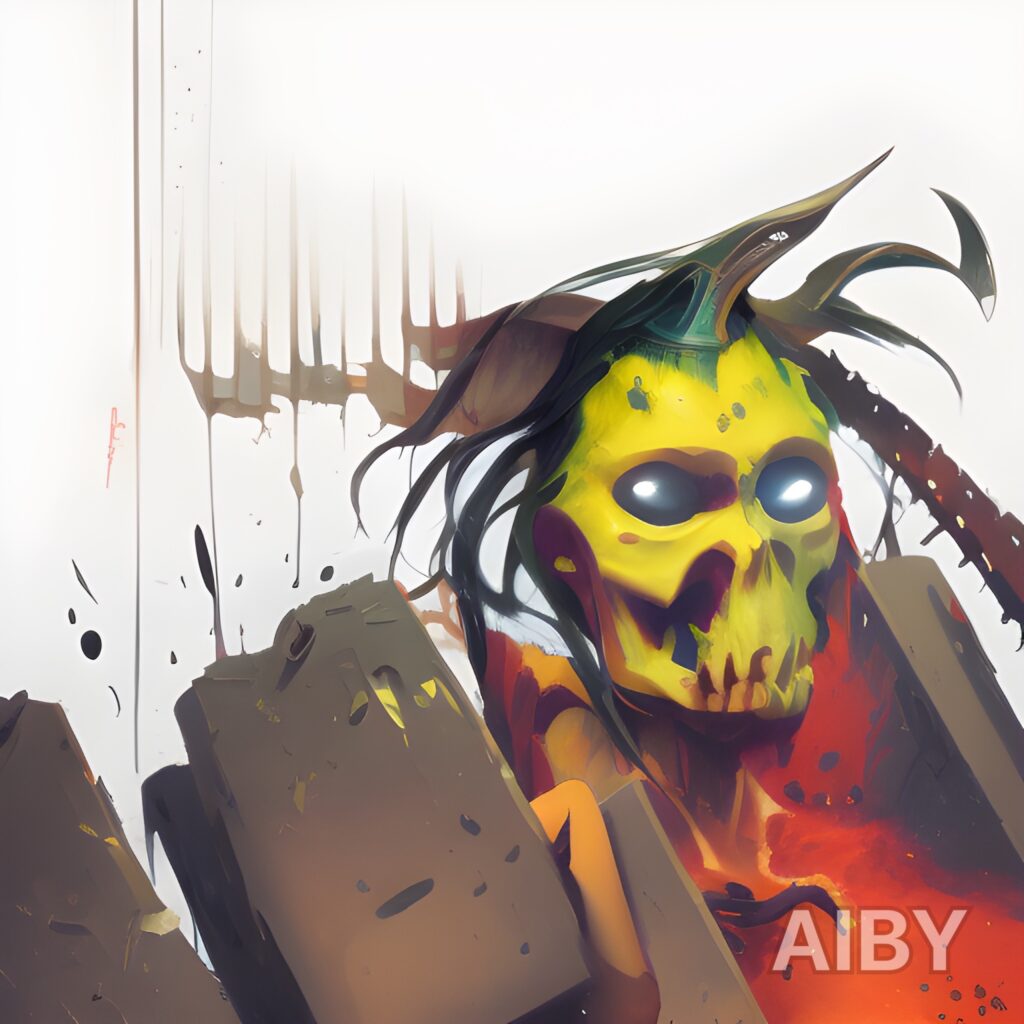
the fear of being seen and the art of unhiding

“The fear of being seen comes from the tension of being different. And that shadow gaze, it doesn’t know how to resolve this tension, except with the binary options of conforming or hiding. To unhide yourself is to bring yourself into the light, where it feels safe to be whole, to be seen as yourself by the other.” – Kening Zhu

I stumbled up Kening Zhu‘s podcast, Botanical Studies of Internet Magic. The episode I listened to was no. 15, no fear of being seen, which speaks to a wound and a possibility, that is, our fear of being seen and the act of unhiding. It resonates deeply with me because it echoes something I’ve wrestled with in my own creative practice.

The imaginary shadow gaze. The tension of difference. The sense that to be seen is to be exposed, and exposure means danger. I know that feeling. It’s the whisper that says, “Better to stay in the margins, to observe rather than be observed.” And yet, the creative act is a form of seeing—and being seen. The act of making art in public is a way of reclaiming that gaze for ourselves.

Kening frames this tension beautifully, not as a binary of “hide or conform,” but as a third path: unhiding with intention. Expanding our safe circles, not erasing them. Deciding where and how we show up, rather than being dictated to by the nebulous “public.”

For me, blogging has always been a kind of middle ground—a space both public and private, intimate and exposed. It’s a room with open doors rather than a broadcast tower. A place where the audience isn’t “everyone,” but the kindred spirits who find their way here.

Maybe that’s the secret: when we fear being seen, it’s often because we assume the wrong see-er. We imagine judgement, indifference, and dismissal. But what if the act of creating in public is actually about becoming the gaze? What if the practice isn’t about being seen by others but about finally seeing ourselves clearly?

Kening’s episode is an invitation to sit with these questions. To feel into the edges of our own creative safety and maybe—just maybe—push them outward, a little at a time.

Let’s keep making art in the void. Let’s keep showing up in the ways that feel true. And let’s remember: we are the ones who decide what it means to be seen.

Notes to self on art

Art: The Comfort and the Catalyst

Art, in all its forms, has this uncanny ability to meet us exactly where we are, then take us somewhere we didn’t expect to go. It comforts us when life feels like an unrelenting storm, and it shakes us awake when we’ve grown too comfortable, too complacent. It’s like a mirror that not only reflects but refracts, bending our reality into something new, something we need to see—whether we want to or not.

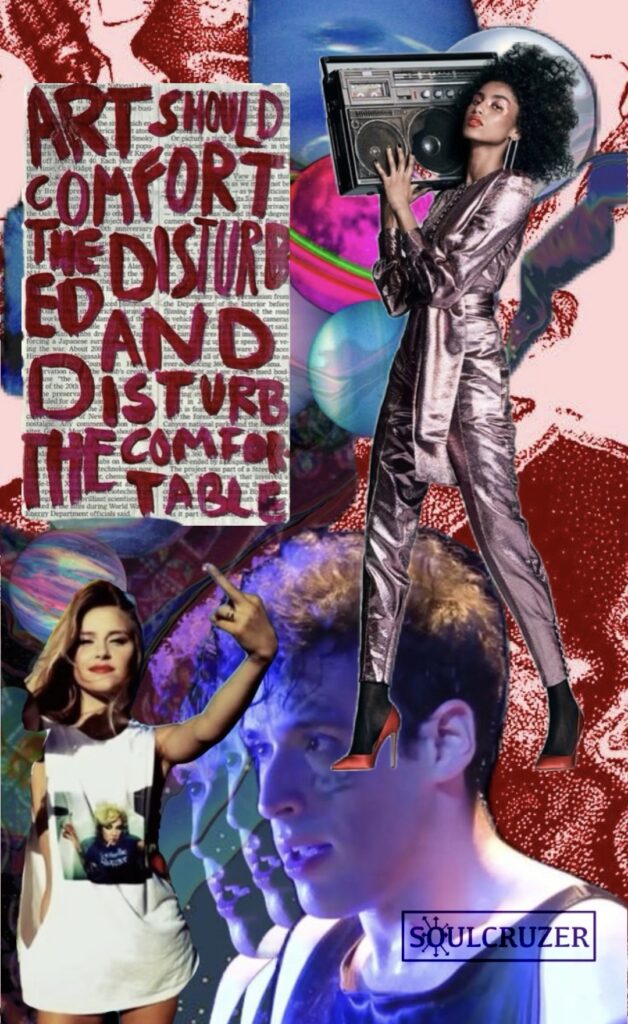
You’ve probably heard the phrase: “Art should comfort the disturbed and disturb the comfortable.” It’s one of those truths that resonates deeply if you sit with it for a moment. But what does it really mean to live in the space where art’s dual nature exists? Let’s unpack it.


Art as Refuge

For anyone who’s ever felt broken, lost, or on the brink of unravelling, art can be a sanctuary. Think of Van Gogh’s Starry Night, its swirls of colour and motion speaking to the chaos of emotion but also offering a quiet reassurance: even in turbulence, there is beauty. Art has this magical way of saying, “I see you.”

More than that, art validates what feels impossible to articulate. A song, a film, a poem—sometimes they express the things we didn’t know how to say out loud. That’s the comfort: the realisation that someone else has been there, too. You’re not alone in the storm.

But it’s not just about commiseration. Art also reminds us that we can transform our pain into something meaningful. It gives us tools to make sense of the senseless, to find patterns in chaos. It becomes a shared experience, a bridge that connects our isolated worlds. For the disturbed, it whispers a quiet truth: there’s beauty in the broken places.


Art as Catalyst

And then, there’s the other side of the coin. Art is just as much about throwing us out of our comfort zones as it is about pulling us into its embrace. It challenges us, provokes us, even angers us sometimes. It’s the splash of cold water on the face that wakes us up from our collective daydream.

Think about Picasso’s Guernica, which doesn’t just depict the horrors of war—it makes you feel them. Or Banksy’s graffiti, which pokes at the absurdities of modern life with a cheeky grin and a sharp edge. This is art that refuses to let you stay in your safe little bubble. It forces you to question your assumptions and confront truths you’d rather ignore.

And here’s the thing: we need that kind of disturbance. Without it, we stagnate. Discomfort is the price of growth, and art is one of the gentlest, yet most unyielding, ways to make us pay it. It plants seeds of doubt in our certainties, cracks open our well-fortified beliefs, and invites us to expand.


The Liminal Space of Art

But here’s where it gets interesting: art isn’t always about comfort or discomfort. Sometimes, it exists in this strange, liminal space where both are true at once. It’s unsettling and soothing, chaotic and ordered, raw and refined. Think of Sylvia Plath’s poetry—unflinchingly honest about despair, but also hauntingly beautiful. Or the films of Studio Ghibli, which mix wonder with sobering truths about humanity and the environment.

Art mirrors life in that way. It reminds us that existence isn’t all light or all shadow but an interplay of both. It’s messy and layered, a dynamic tension between what is and what could be.

This duality makes art essential. It shows us the full spectrum of being alive—comforting us in our struggles while pushing us to evolve.


Why This Matters Now

We live in a world that feels both overstimulated and numbed. Endless scrolling, algorithms feeding us more of what we already know, consumer culture flattening our imaginations into commodities. In this kind of environment, the duality of art is more necessary than ever.

We need art that soothes our anxieties, that reminds us we’re human in the face of relentless digital noise. But we also need art that disrupts, that yanks us out of the echo chambers and dares us to imagine something different.

Postmodern art thrives here. It blends comfort and chaos, refuses easy answers, and instead asks us to sit with contradictions. It’s messy, experimental, alive. In a way, it’s a reflection of the times we live in—a world in flux, searching for meaning.


An Invitation

So what does this mean for us, as creators and as consumers of art?

If you’re a creator, it’s a call to step into that liminal space. Don’t shy away from the hard truths, but don’t forget the power of solace either. Create works that resonate with both the broken and the unbroken parts of the soul.

If you’re a consumer, seek out art that does more than entertain. Lean into the edges—the works that challenge your worldview, that make you uncomfortable. But also let yourself rest in the works that offer you peace. Both are necessary.

Art, at its best, transforms. It connects us to ourselves and each other in ways nothing else can. It’s not just a mirror; it’s a prism. It shows us who we are while bending our perspective toward something new.

Let’s embrace that duality. Let’s let art comfort us in our darkest hours and disturb us in our complacency. After all, isn’t that what it means to truly be alive?

Walking as Art: When the Journey Becomes the Practice

I’m out here again, tracing a familiar loop around Southam. It’s one of my most frequented walking trails—a three-mile circuit I can almost navigate with my eyes closed. But today, I’m taking it in with new eyes, and maybe with a new purpose. Walking, which has always been a part of me, has taken on a fresh dimension. It’s something more than exercise, more than a commute from Point A to Point B. This walk has become an art practice.

What does it mean, though, to walk as art? It’s a question that’s been unfolding with every step. Walking art, the *dérive*, the drift, is not about getting anywhere in particular. It’s about moving with the currents of intuition, letting each step be guided by the whims of attention. Unlike a prescribed path, this is a walk of curiosity, of following whatever catches the eye, of dipping down alleys and paths I’ve never travelled before. 

For many people, walking has become utilitarian. We move from inside space to inside space, getting from the warmth of home to the shelter of the office, rarely taking time to simply wander. But the dérive is different. It’s about embracing the unknown, treating the landscape as a series of invitations. Each turn, each stretch of path, becomes a chapter in the unfolding story of where I’m meant to go, if only for this one walk.  

I love the psychogeography of it all—feeling into the energy of the places I pass, picking up on the echoes and vibes embedded in the spaces around me. This track I’m on, for instance, is a beloved one among local dog walkers, an afternoon stroll kind of path, a “let’s go get some fresh air” path. But I use it as my thinking circuit, my field for mental wanderings. Here, I work out what’s on my mind, let the rhythm of my footsteps lull me into reflection. This is no ordinary walk; it’s a drift into the landscape of my thoughts.

Today, my thoughts centre around this emerging practice of “walking as art.” There’s something about movement that transcends simply getting from place to place. Walking, I have found, engages mind, body, and spirit all at once. In one walk, I can clear the mental cobwebs, reflect on what’s stirring in my soul, and feel the physical satisfaction of moving through space, of encountering the world one step at a time. 

The idea of walking as art has opened up a new way of seeing each journey as an unfolding creation. It reminds me of performance art—the act itself is the art, and the trail becomes my canvas. I don’t need a destination. I only need to move, to engage with the environment around me, to let my feet lead me where they will. And because it’s a practice, I’ve decided to bring a few tools with me to capture these moments and deepen my experience. 

I have my trusty field recorder, the F2 Bluetooth from Zoom, which is just small enough to slip into my pocket. Its simplicity frees me from worrying about sound levels and lets me capture the experience of the walk hands-free. Alongside it, I’ve got my Meta Ray-Ban glasses to take photos and videos, capturing the landscape from my own vantage point. I also have my Insta360 Go, a small action camera that’s perfect for documenting my wanderings, and, of course, my iPhone. Each of these tools becomes part of the process, helping me document the walk as it unfolds.  

And in some way, these tools feel essential to the practice. They create a conduit for capturing, documenting, and reflecting on the act of walking, helping me map out the journey in new ways. I’m also using an app called Track My Journey that allows me to geotag locations, letting the journey unfold as a kind of interactive map. Along the way, I find myself capturing small details—a decrepit shed that has seen better days, the thick hoofprints of cows that have passed by. These are the things that catch my attention today—the little landmarks of this journey.

One of my favourite stops is the ancient Holy Well here in Southam, a Grade II listed building that carries its own lore and mystery. Legend has it that the well can cure blindness, and I’m struck by the idea of sight—of seeing and being seen, of recognising what we overlook in the world around us. The well has stood here for centuries, since 1761, inviting wanderers like myself to stop and feel into its presence. There’s something profound in these pauses, in seeing the landscape not as a series of tasks to accomplish but as a place to engage with fully.

I suppose this is what walking art offers me: a chance to be in motion yet rooted, a way to tune into both the outer world and my inner landscape. As I walk, my mind drifts. I think about the new life I’m trying to create here, the life where walking itself is an art practice in and of itself, where each step becomes a meditative act, a small way to weave mind, body, and spirit together. This art of walking feels like it holds everything—thought, movement, memory, and place.

In one sense, this whole process has brought me back to my blog, my digital garden at [soulcruzer.com](https://www.soulcruzer.com/). It’s there that I intend to capture this journey, to record my thoughts and experiences, to make this walking practice part of my work, my story. And I’ve come to realise that it’s a practice of tapping into the psyche, exploring our inner world as much as our outer one. I’ve stumbled upon a couple of books lately that have been helpful—Walking as an Art Practice and another on Mythogeography that’s a little more out there, but both point me toward this idea that walking can be an act of self-discovery, a way to understand who we are and how we’re shaped by the spaces we inhabit.

As I walk, I feel myself letting go of productivity, letting go of the need to measure every moment against what it could achieve. In this act of walking as art, time becomes something fluid, expansive, and filled with possibility. I don’t need to reach a destination because, here, the journey itself is enough.  

So here I am, walking through this patch of muddy track I know so well, thinking of all the hundreds of times I’ve walked this path, each time with something new on my mind. If I could capture each of those moments and create a time-lapse of all the thoughts that have surfaced on this loop, it would be pretty cool. And maybe, in some way, that’s exactly what I’m doing now—mapping out the inner geography of my life, one step, one thought at a time. 

For me, walking has become a reminder that we don’t need to be in a hurry and that sometimes the greatest discoveries come when we let the journey be its own kind of destination. This practice of walking art isn’t about productivity or perfection; it’s about honouring the path itself, letting each step create its own small story, adding another brushstroke to the art of being alive.

collaborating with ai

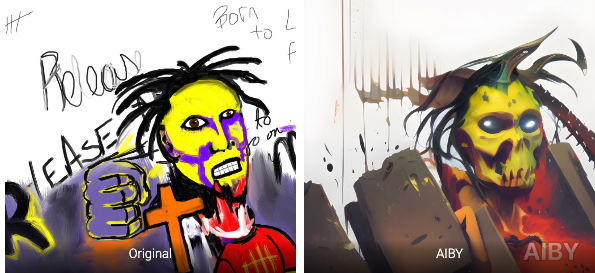
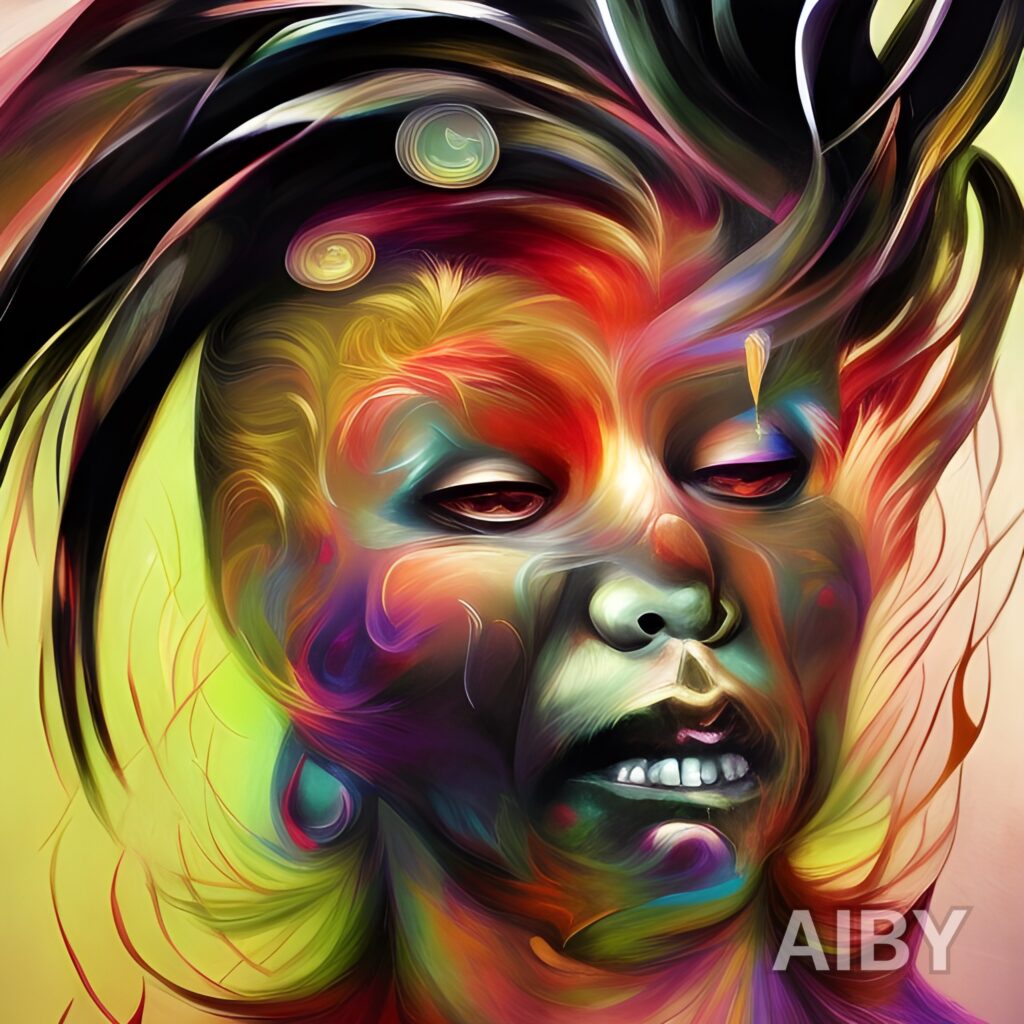
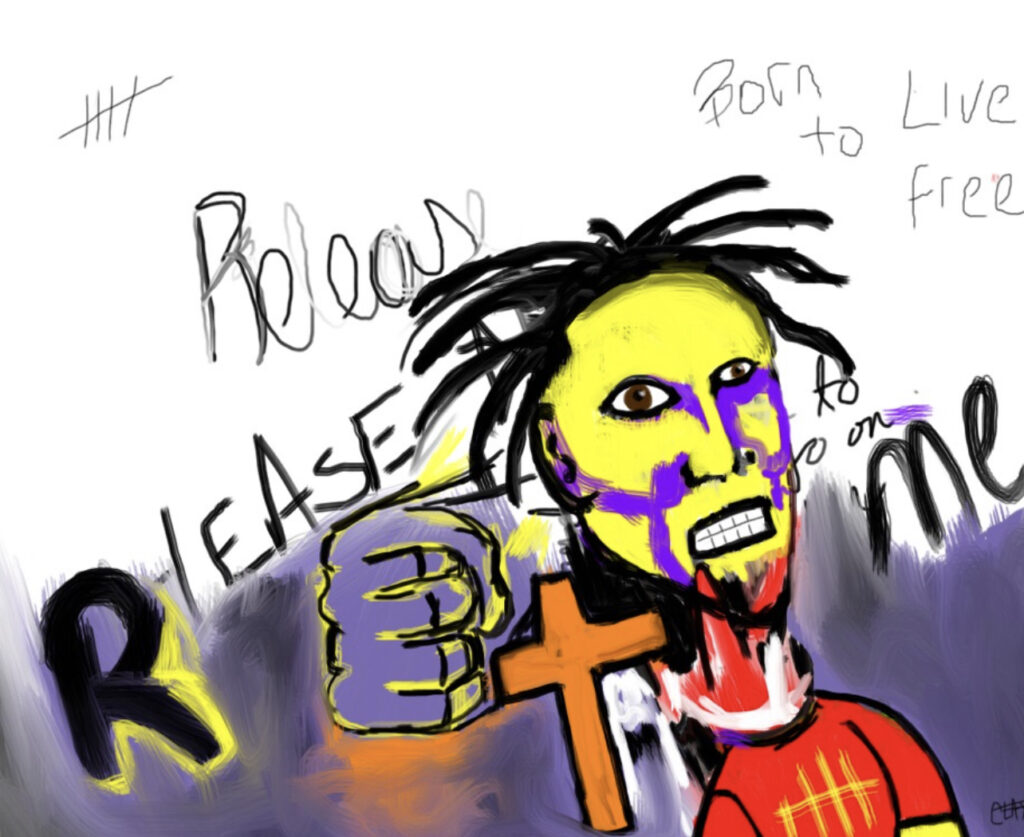
AI-made art just keeps blowing my mind. I did the Lensa thing, like a lot of other people. But until today, I hadn’t thought about uploading my own art and seeing what the AI could do with it. Here’s what happened when I did:

I love it. I believe there’s space to work with AI art in both directions. Upload an original piece and let the AI riff on it. Or using text, provide the AI a description of what’s in your imagination, let the AI kick out some ideas and then use those as inspiration for your hand-generated art in your preferred medium.

What are your thoughts?